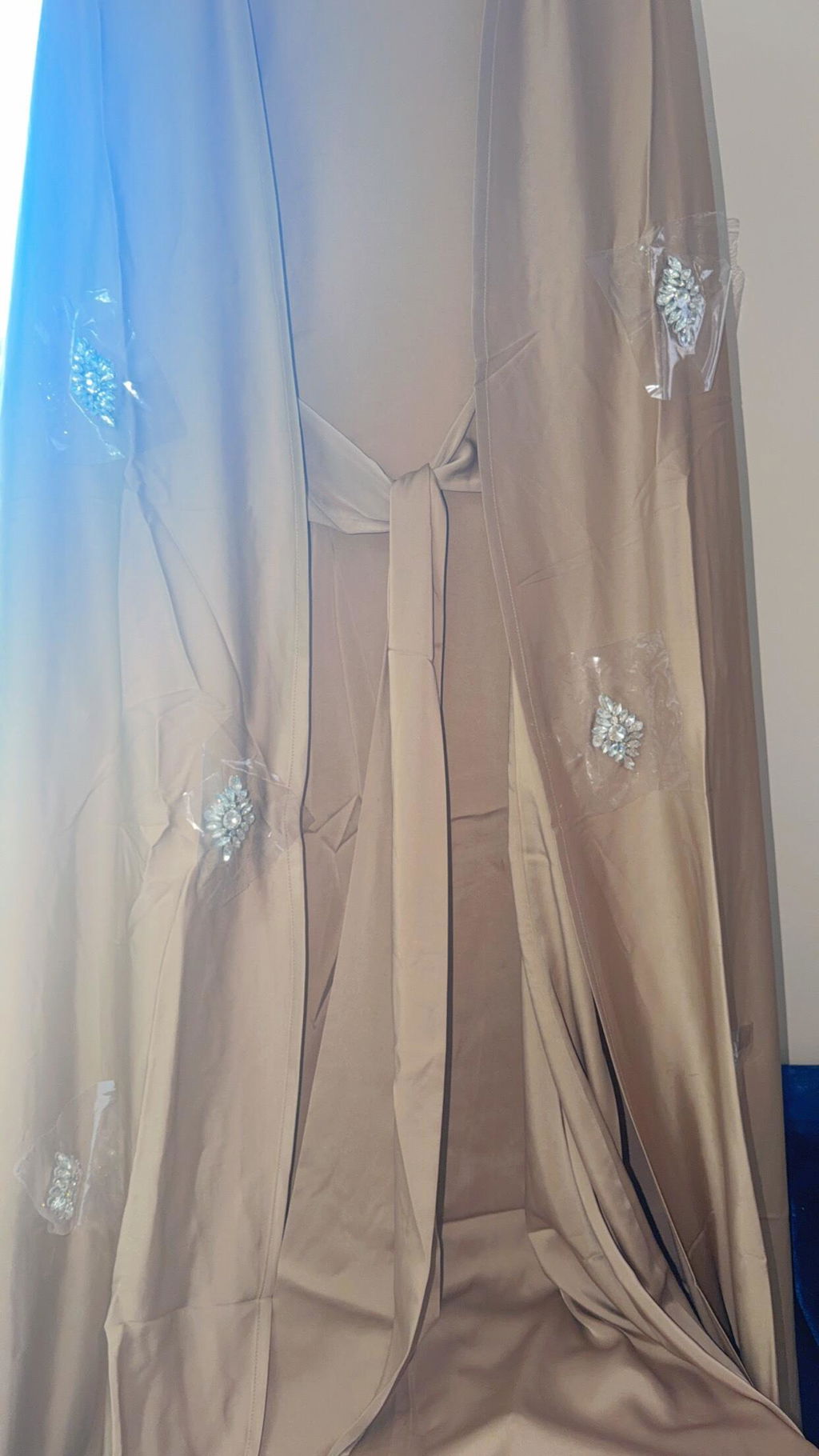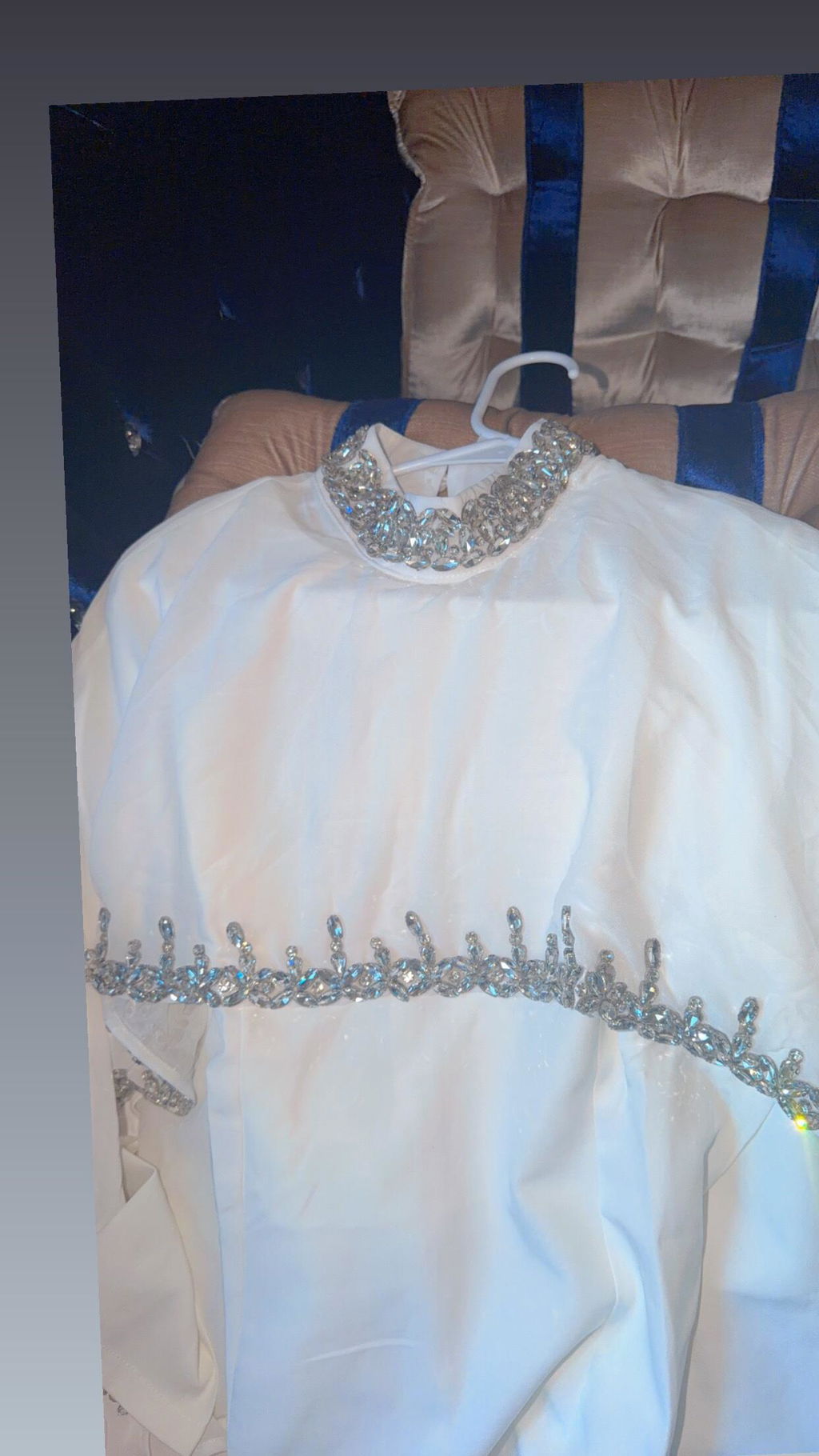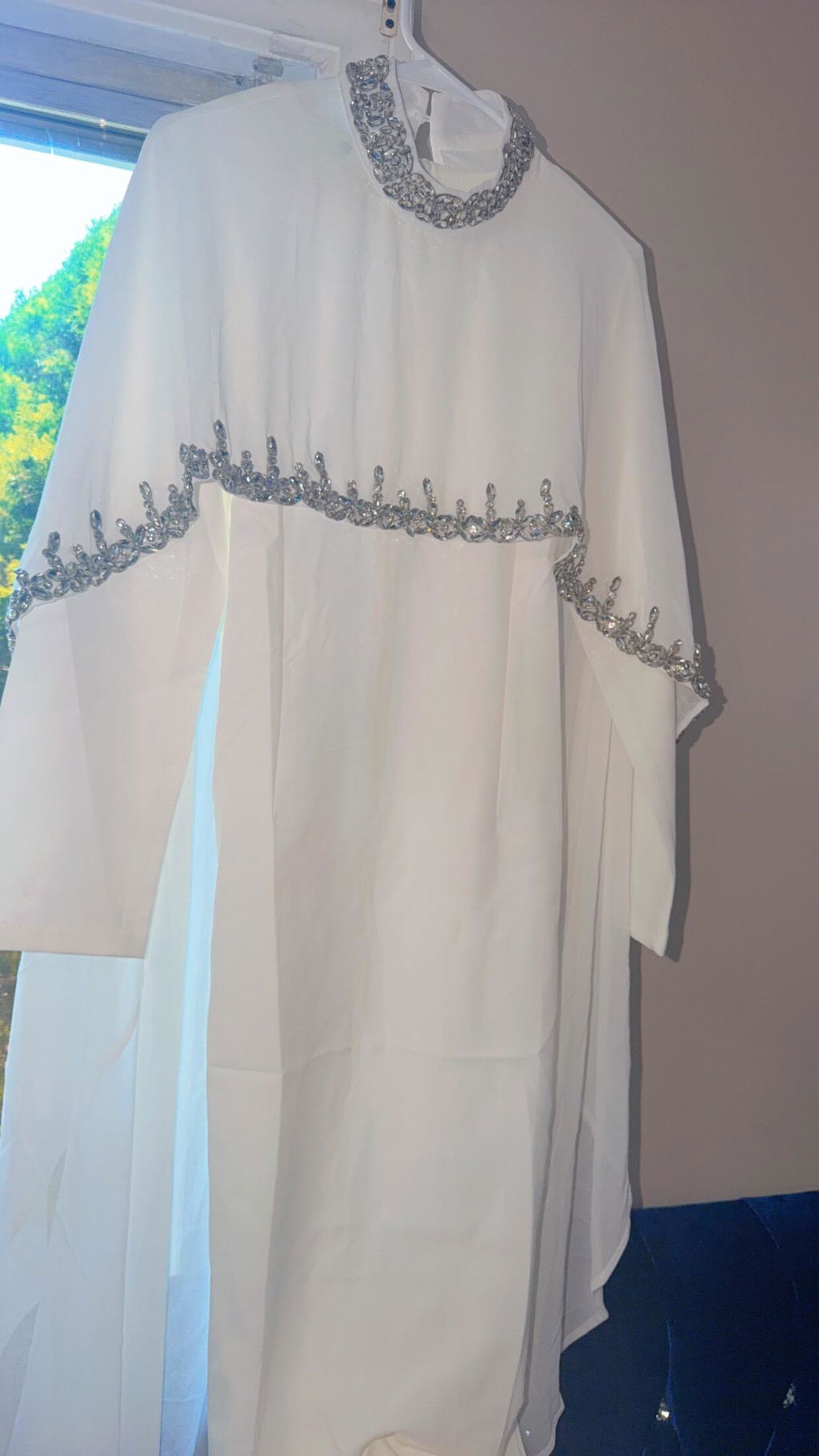

An abaya care guide is a set of practical instructions for cleaning, drying, storing, and maintaining abayas to preserve their fabric quality, colour, fit, and embellishments over time. Unlike everyday garments, abayas often feature delicate embroidery, beading, or specialised fabrics that require thoughtful handling to prevent fading, shrinkage, or damage—making informed care essential for protecting your investment in modest fashion.
Understanding Your Abaya's Fabric Before You Wash
The first step in any abaya care guide is identifying what your garment is made from. Abayas come in a variety of fabrics, each with different washing requirements. Chiffon, linen, cotton blends, silk, and synthetic crepe all behave differently when wet, and using the wrong method can lead to permanent damage.
Always check the care label sewn into your abaya—it's your most reliable source of information. If the label is missing or unclear, consider the visual weight and feel of the fabric. Heavier, densely woven abayas (like those in the 2-Piece Mandarin Collar Longline Shirt & Wide Leg Pants Set (MS418)) tend to be more forgiving than delicate, flowing pieces. Fabrics with embroidery or beading, such as the 2-Piece Pearl Beaded 3D Rose Embroidered Jacket & Chiffon Pleated Maxi Dress (MS401), require extra caution.
At Mariam's Collection, we always recommend reading care labels thoroughly before the first wash, as this single step prevents most common care mistakes.

Hand Washing Your Abaya: The Safest Method
Hand Washing an Abaya with Embroidery or Beading
Hand washing is the gentlest approach for abayas featuring embellishments. Fill a basin with cool water (around 20–30°C) and add a mild, pH-neutral detergent designed for delicate fabrics. Submerge your abaya and let it soak for 10–15 minutes rather than agitating it immediately. This allows the detergent to loosen dirt without friction damage.
Pieces like the 2-Piece Pearl Beaded 3D Rose Embroidered Jacket & Chiffon Pleated Maxi Dress (MS401) should be handled with particular care during this soak. Gently squeeze soapy water through the fabric rather than rubbing or wringing. Pay special attention to underarms and hem areas where sweat and dust accumulate, but avoid vigorous scrubbing near beaded or embroidered sections.
Rinse thoroughly with cool water—multiple rinses may be needed—until the water runs clear and no soap residue remains. Residual detergent can leave marks and attract dirt more quickly.
Hand Washing Plain or Lightly Embellished Abayas
Simpler styles, including the 2-Piece Polka Dot Print Open Abaya Set (MOA316), can tolerate slightly more vigorous hand washing. After soaking, you may gently knead the fabric between your hands to release dirt, but avoid twisting or wringing. For printed fabrics, ensure your water is cool enough to prevent colour bleeding—test a hidden seam first if you're unsure.

Machine Washing: When and How
Some abayas can be safely machine washed if the care label permits. Always use a delicate or hand-wash cycle with cold water and place your abaya inside a mesh washing bag to reduce friction. Use half the recommended detergent amount—abayas don't require heavy-duty cleaning, and excess soap is harder to rinse out.
Avoid fabric softeners and bleach entirely. Fabric softeners coat the fibres and can dull embroidery or interfere with the natural drape of heavier fabrics. Abayas with intricate details, like the 2-Piece Embroidered Peplum Jacket & Micro Pleat Maxi Skirt Set (MS417), should not be machine washed regardless of the label, as the peplum construction and pleats can lose their shape in a machine.

Drying Your Abaya Correctly
Air Drying: The Preferred Method for Abaya Care
Never tumble dry an abaya. Instead, gently squeeze out excess water (do not wring) and hang it on a padded hanger in a well-ventilated space away from direct sunlight. Direct sun can fade colours over time, particularly on darker fabrics. If you don't have a suitable hanger, lay the abaya flat on a clean, dry towel on a bed or table, smoothing out wrinkles gently as it dries.
Abayas with structured elements, such as the 2-Piece Hoodie Top & Full A-Line Maxi Skirt Set (MS427), benefit from being hung to dry so the A-line silhouette maintains its shape. Similarly, wide-leg styles like the 2-Piece Ice Silk Crinkle Hi-Lo Top & Wide Leg Pants Set (MS421) should be hung to preserve the intended drape of the legs.
Drying time varies by fabric weight and humidity, but expect 24–48 hours for complete drying. Ensure the garment is fully dry before storing to prevent mildew.
Ironing and Steaming Your Abaya
Once dry, most abayas benefit from gentle pressing. Use a low to medium heat setting on your iron and always test on a hidden area first. For fabrics like chiffon or silk, use a pressing cloth (a clean cotton cloth placed between the iron and garment) to prevent shine or damage. Iron the inside of the garment where possible to protect the outer surface and any embellishments.
For heavily embroidered or beaded pieces, consider steaming instead of ironing. A handheld garment steamer releases wrinkles without the risk of pressing beads or embroidery flat. The 2-Piece Pearl Beaded 3D Rose Embroidered Jacket & Chiffon Pleated Maxi Dress (MS401) is ideal for steaming rather than ironing.
Pleated abayas, such as the 2-Piece Embroidered Peplum Jacket & Micro Pleat Maxi Skirt Set (MS417), require special care. If pleats have loosened after washing, a light steam or press along the pleat lines can refresh them, but avoid over-pressing, which flattens the texture.

Storing Your Abaya Between Wears
Proper storage extends the life of your abaya significantly. Always store your garment in a cool, dry place away from direct sunlight. Sunlight exposure causes gradual fading, even through windows. Use padded or wooden hangers rather than wire ones, which can leave marks and distort the shoulder line over time.
For long-term storage, fold abayas carefully along the seams and store them in breathable cotton bags rather than plastic, which traps moisture and can encourage mildew. Avoid overcrowding your wardrobe—abayas need space to breathe and maintain their shape.
If you live in a humid climate, consider placing acid-free tissue paper or cedar blocks in your storage area to absorb moisture and deter insects. Never use mothballs with synthetic fabrics, as they can cause discolouration.

Addressing Common Stains and Damage
Fresh Stains on Your Abaya
Address stains as soon as possible. Blot (don't rub) fresh spills with a clean, damp cloth. For oily stains, sprinkle talcum powder or cornstarch on the area to absorb the oil, leave for 15 minutes, then brush away gently. For water-based stains like tea or juice, rinse with cool water immediately.
Never apply heat (iron or dryer) to a stained abaya, as heat sets stains permanently. Always treat the stain before washing the entire garment.
Pilling, Loose Threads, and Minor Wear
Pilling—those small balls of fibre that form on fabric—is common on abayas, especially after washing. Use a fabric comb or a specialised de-pilling tool to gently remove pills. Never pull at them with your fingers, as this can damage the underlying fabric.
Loose threads at seams or hems should be trimmed carefully with small scissors rather than pulled. If a seam begins to fray, a small stitch or fabric glue can prevent further damage before it becomes a larger issue.

Fabric-Specific Care Tips for Popular Abaya Styles
Caring for Crinkle and Textured Fabrics
Abayas made from crinkled or textured fabrics, like the 2-Piece Ice Silk Crinkle Hi-Lo Top & Wide Leg Pants Set (MS421), require minimal ironing. The texture is intentional and part of the design. After washing and air drying, the crinkle usually revives naturally. If you do iron, use the lowest heat setting and press very lightly to avoid flattening the texture.
Caring for Printed Abayas
Printed designs, such as those on the 2-Piece Polka Dot Print Open Abaya Set (MOA316), are vulnerable to fading if exposed to heat or sunlight. Always wash in cool water, dry away from direct sun, and store in a dark space. If the print begins to fade, avoid repeated washing—spot clean when possible instead.
Caring for Structured Pieces
Abayas with structured silhouettes—peplums, A-lines, or tailored cuts like the 2-Piece Embroidered Peplum Jacket & Micro Pleat Maxi Skirt Set (MS417) or the 2-Piece Hoodie Top & Full A-Line Maxi Skirt Set (MS427)—benefit from hanging to dry to preserve their shape. If you must fold them, do so infrequently and along the seams rather than across the structured sections.
When to Seek Professional Care
For abayas with extensive beading, delicate embroidery, or luxury fabrics, professional dry cleaning is sometimes worth the investment. A specialist cleaner familiar with modest fashion garments will know how to handle intricate details safely. However, dry cleaning chemicals can accumulate over time, so reserve professional cleaning for heavily soiled garments or annual maintenance rather than routine care.
If your abaya has significant damage—torn seams, broken zips, or extensive staining—professional repair or alteration services can restore it. Many tailors who work with modest fashion can repair abayas affordably.
Building a Sustainable Abaya Care Routine
Thoughtful care is an investment in longevity. By following these practices, your abayas will remain vibrant, well-fitted, and beautiful for years. Rotate your abayas regularly so each garment has time to rest between wears, which extends fabric life and allows fibres to recover their elasticity.
Keep a simple care log if you own many abayas—note the fabric type, washing date, and any special treatments. This helps you remember what works best for each piece and avoid repeating mistakes.
An abaya care guide isn't about rigid rules; it's about respecting the craftsmanship and fabric of your garments. Whether you own simple everyday pieces or elaborate embroidered sets, the same principles apply: gentle handling, cool water, air drying, and thoughtful storage. Your abayas are an investment in your personal style and modesty, and they deserve care that reflects that value.
Frequently asked questions
Can I machine wash my abaya if the label says hand wash only?
No. The label reflects the safest care method for that specific fabric and construction. Machine washing can damage embellishments, cause shrinkage, or distort the garment's shape. Hand washing takes only slightly longer and protects your investment.
How often should I wash my abaya?
Wash your abaya after 3–5 wears, or sooner if visibly soiled or if you've worn it in hot weather. Frequent washing is unnecessary and can fade colours and wear fibres faster. Spot cleaning between washes extends the time between full washes.
What should I do if my abaya's colour bleeds during the first wash?
This is common with dark fabrics, especially reds and blacks. Always wash new abayas separately in cool water the first time. If bleeding occurs, rinse repeatedly in cool water until it stops. For future washes, continue to wash separately or with similarly coloured garments. Avoid hot water and fabric softener, which worsen bleeding.
Is it safe to use a dryer on a low heat setting?
No. Even low heat can damage delicate fabrics, fade colours, and shrink abayas. Air drying is the only safe drying method. If you need faster drying, hang the abaya in front of a fan in a well-ventilated space rather than using a dryer.
How do I remove wrinkles from a beaded abaya without an iron?
Use a handheld garment steamer, holding it 15–20 cm away from the fabric and allowing steam to penetrate without pressing. Alternatively, hang the abaya in a steamy bathroom for 20–30 minutes while you shower—the humidity releases wrinkles naturally.
Can I use regular laundry detergent on my abaya?
Regular detergent is often too harsh for delicate fabrics and embellishments. Use a mild, pH-neutral detergent specifically formulated for delicate or hand-wash garments. This protects colours, fibres, and any beading or embroidery.
Related reading
- Graduation Abaya: Elegant Ceremony Dressing for Muslim Women
- How to Wear an Open Abaya: Styling Guide for Modern Modesty
- Butterfly Abaya Styling Guide: Elegant Looks for Every Occasion