
A hijab for beginners is a modest head covering worn by Muslim women that requires careful selection of base layers, fabric weight, and draping technique to ensure comfort, security, and a polished appearance—making the transition into hijab wearing smoother and more confident from the start.
Why Getting Started with Hijab Matters
The decision to wear hijab is deeply personal, and the first few weeks or months can feel overwhelming if you're not sure where to begin. Unlike many garments, hijab isn't just about fabric choice—it's about understanding how layers work together, how different materials behave, and how to find a style that feels natural to you. At Mariam's Collection, we've learned that beginners often struggle not with the concept of hijab, but with the practical details: slipping pins, uncomfortable underscarf bases, and not knowing which fabrics will drape the way they see in their mind's eye.
The good news is that hijab for beginners doesn't have to be complicated. With the right foundation and a little guidance, you'll develop the confidence to wear it in a way that feels authentic to you.

Understanding the Foundation: Base Layers and Underscarves
Why Base Layers Are Non-Negotiable for Hijab for Beginners
The single most important thing nobody tells beginners is that the base layer is where comfort lives. An underscarf—sometimes called a bonnet or cap—sits directly on your head and serves three purposes: it keeps your hair in place, it prevents your hijab from slipping throughout the day, and it provides a smooth surface for your outer scarf to grip.
Without a proper base, even the most beautiful hijab will shift, require constant adjustment, and leave you feeling self-conscious. Many beginners skip this step thinking they can manage with just a scarf, and then wonder why they're frustrated by midday.
Choosing Between Caps and Underscarves
There are two main types of base layers: fitted caps and stretch underscarves. Fitted caps, like the Adjustable Cotton Under Scarf Cap - Breathable Anti-Slip Headband Base for Hijab (MH125), sit snugly on your head with an adjustable band that keeps everything secure without feeling tight. The breathable cotton means your scalp won't feel hot or sweaty, and the anti-slip design means your hijab stays where you place it.
Stretch underscarves, such as the Comfortable Solid Color Elastic Inner Undercaps Hijab (MH093), work differently. They're more like a lightweight tube that stretches over your head and hair, creating a smooth base. They're brilliant for beginners who find fitted caps fiddly, and they're easier to put on quickly if you're in a rush.
For your first few weeks, try both types if you can. Your preference will become clear once you've worn them in different situations—at home, at work, or out socially.

Fabric Choices for Hijab for Beginners
Weight and Drape: What Actually Matters
Beginners often choose hijab fabric based on colour or pattern alone, then feel disappointed when it doesn't behave the way they expected. Fabric weight and fibre content determine how a scarf drapes, how much it wrinkles, and how warm or cool it feels against your skin.
Lightweight fabrics like chiffon are forgiving for beginners because they drape smoothly and don't require as much pinning to stay in place. Heavier fabrics like crepe or cotton voile give more structure but need more practice to style.
Chiffon: The Beginner-Friendly Choice
Chiffon is a sheer, airy fabric that flows beautifully and is remarkably forgiving. It doesn't wrinkle easily, it drapes without looking stiff, and it works in almost any climate. The Elegant Chiffon Hijab Scarf - Refined Structure for Modest Wear (MH127) is a solid-colour option that pairs with everything in your wardrobe, making it ideal when you're still experimenting with what works for you.
If you prefer texture, the Crepe Scarf Crinkle Chiffon Hijab for Women Shawls Ripple Pleated (MH003) combines chiffon's ease with a subtle crinkled texture that adds visual interest without requiring extra styling effort. Similarly, the Effortless Grace Scarf Silver Crinkle Chiffon Hijab (MH153) offers a delicate sheen and permanent texture, so it looks intentional even on days when you're simply draping it quickly.
Crepe: When You're Ready for Structure
Crepe is a slightly heavier fabric with a distinctive crinkled surface. It holds its shape better than chiffon and doesn't require as much pinning, but it does demand a bit more practice to drape smoothly. Once you've worn hijab for a few months and feel more confident, crepe becomes a brilliant choice for a more tailored, polished look.

Styling Basics for Your First Weeks
The Simple Drape: Your Starting Point
The easiest way to wear hijab as a beginner is the simple drape. Place your underscarf on your head, then drape your hijab scarf over it, letting one end fall longer than the other. Bring the longer end around the back of your neck and pin it at the shoulder. This takes thirty seconds once you've done it a few times, and it works with any scarf shape or size.
The key is not to overthink it. Your hijab doesn't need to be perfectly symmetrical or styled in an elaborate way. What matters is that you feel secure, comfortable, and that it reflects your own sense of style.
Finding Your Scarf Size
Hijab scarves come in different dimensions, and beginners often buy scarves that are either too small or too large. A standard rectangular hijab is roughly 70 by 180 centimetres, which works for most face shapes and draping styles. If you're very tall or prefer more generous draping, you might prefer a larger size.
The best approach is to start with a standard size and see how it feels. You'll quickly learn whether you want more fabric to work with or whether you prefer something more compact.

Comfort and Practicality: What Makes the Difference
Heat and Breathability for Daily Wear
One thing beginners worry about is whether wearing hijab will make them feel hot or uncomfortable. The truth is that a well-chosen underscarf and lightweight fabric make a huge difference. The Adjustable Cotton Under Scarf Cap - Breathable Anti-Slip Headband Base for Hijab (MH125) is specifically designed with breathable cotton so your scalp stays cool, and pairing it with a chiffon hijab means you're not adding unnecessary layers of heavy fabric.
In warmer months, choose lighter colours and sheer fabrics. In cooler months, you can experiment with richer colours and slightly heavier materials. The fabric itself doesn't trap heat the way people imagine—air still circulates around your hair and neck.
Security and Anti-Slip Technology
Pins are essential, but they're not the only solution. Many modern underscarves include anti-slip grips or textured surfaces that help your hijab stay in place without constant adjustment. This is particularly helpful if you're active—working in a busy environment, exercising, or simply moving around throughout your day.
Start with two or three hijab pins placed strategically: one at each shoulder and one at the back if you need extra security. Over time, you'll find the minimum number that works for your preferred draping style.

Building Your Hijab Wardrobe
Starting Small and Adding Intentionally
You don't need dozens of hijabs to get started. Begin with three or four scarves in neutral or versatile colours—black, navy, grey, cream—paired with one or two in a colour you love. This gives you enough variety to feel like you have options without overwhelming yourself with choices.
As you wear hijab more, you'll develop preferences. Maybe you discover you love how crinkled chiffon looks, or perhaps you find that you prefer the structure of crepe. Maybe solid colours suit you, or you prefer subtle textures. Let these preferences guide your future purchases rather than buying based on trend or what you think you should like.
Occasion-Specific Choices
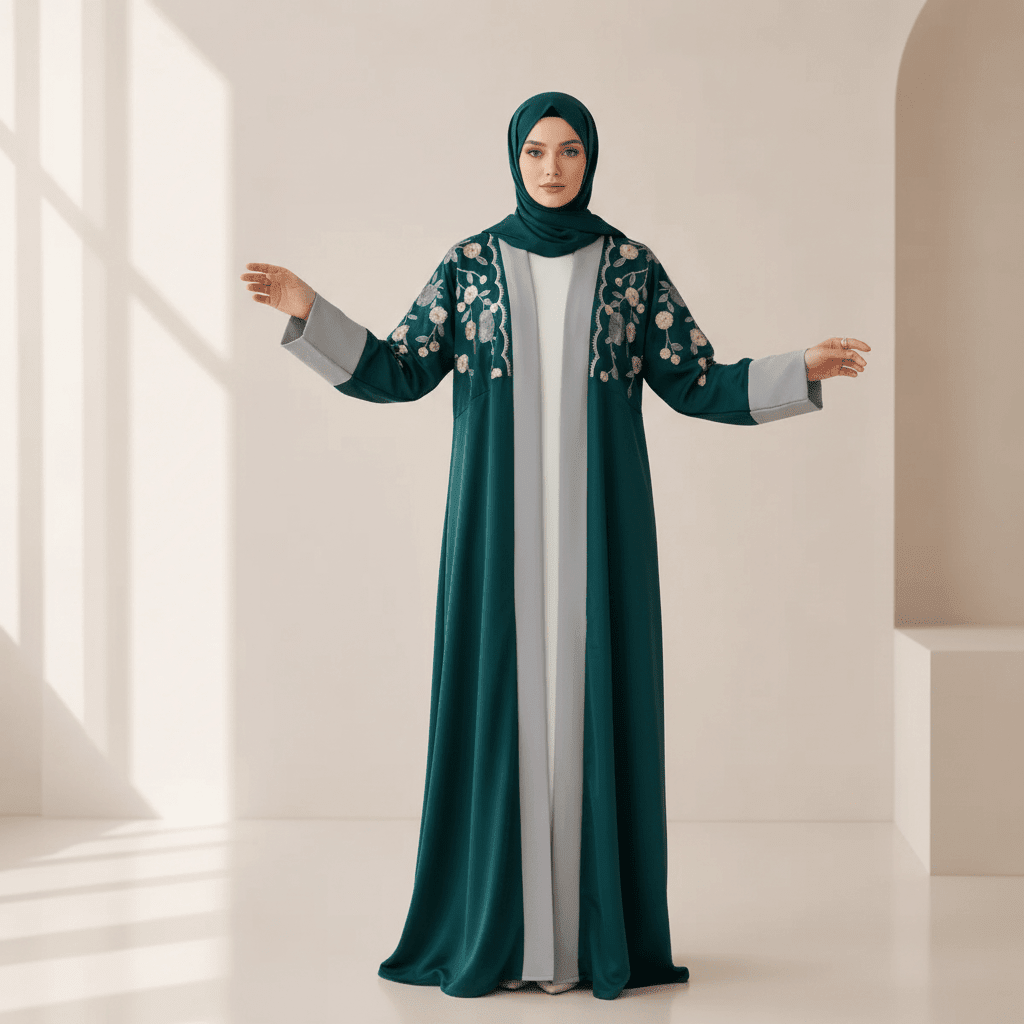
Once you're comfortable with everyday hijab, you might want to explore options for different occasions. For formal events like weddings, you might choose a hijab with subtle embellishment or a richer fabric. For casual outings, your everyday chiffon scarves are perfect. If you're interested in a complete modest outfit for significant occasions like Umrah or formal family gatherings, the Cocoon-Cut Crepe Abaya Perfect For Umrah With One-Piece Hijab Attached (MA143) combines a beautifully cut abaya with an attached hijab, removing the need to style two separate pieces.

Common Beginner Mistakes and How to Avoid Them
Buying the Wrong Underscarf First
Many beginners buy underscarves that are either too loose or too tight. A loose underscarf means your hijab slips; a tight one gives you a headache. The solution is to choose adjustable options like the Adjustable Cotton Under Scarf Cap - Breathable Anti-Slip Headband Base for Hijab (MH125), which lets you customise the fit, or to try the stretch style of the Comfortable Solid Color Elastic Inner Undercaps Hijab (MH093) to see which works better for your head shape and hair volume.
Assuming All Hijab Fabric Is the Same
Not all chiffon drapes the same way. Not all crepe has the same weight. Beginners sometimes buy a hijab online, find it doesn't behave as expected, and give up. The reality is that fabric quality, weight, and even the way it's cut affect how it looks and feels. This is why starting with trusted, well-reviewed pieces—and understanding what you're buying—matters more than chasing the cheapest option.
Pinning Too Much or Too Little
Too many pins make your hijab look stiff and uncomfortable, and they can damage your scarf over time. Too few pins mean constant slipping. The sweet spot is usually two to three pins placed at natural anchor points: shoulders and the nape of your neck. Experiment to find what works for your preferred style and your activity level.
Care and Longevity: Making Your Hijabs Last
Washing and Storage
Most hijabs should be hand-washed in cool water with a gentle detergent, then laid flat or hung to dry. Avoid wringing or twisting, as this can damage delicate fabrics like chiffon. Check the care label on each scarf—some may have specific instructions.
Store your hijabs folded or loosely rolled in a clean, dry place away from direct sunlight. This prevents fading and keeps them fresh between wears. If you wear the same hijab frequently, giving it a day or two to rest between wears helps it maintain its shape and longevity.
Dealing with Pilling and Wear
Even high-quality hijabs can pill slightly with wear, particularly if they rub against rough jewellery or clothing. A gentle fabric shaver or even a soft toothbrush can remove these small balls of fibre without damaging the scarf. This is normal wear and doesn't indicate poor quality.
Confidence and Personal Style
Hijab for Beginners Is a Journey, Not a Destination
Your hijab style will evolve. What feels right in your first month might shift as you gain confidence and discover what makes you feel most like yourself. Some beginners prefer simple, understated styles. Others love experimenting with draping techniques and colours. Both are completely valid.
The most important thing is that your hijab feels authentic to you—not something you're wearing because you think you should, but something that reflects your values and your personal aesthetic. This confidence shows, and it's what makes hijab look elegant and intentional rather than uncomfortable or forced.
Moving Forward with Hijab for Beginners
Starting your hijab journey doesn't require expensive products or complicated techniques. What it does require is the right foundation—a comfortable, secure underscarf—and a fabric that behaves in a way you can work with. From there, everything else follows naturally.
Choose your first underscarf based on comfort and fit, select a lightweight, forgiving fabric like chiffon, and give yourself permission to keep it simple while you're learning. As you wear hijab more, you'll develop your own style, discover your fabric preferences, and build a wardrobe that genuinely reflects who you are. That's when hijab for beginners becomes simply hijab—part of your everyday life, worn with ease and confidence.
Frequently asked questions
What's the difference between an underscarf and a hijab scarf?
An underscarf (or bonnet cap) sits on your head as a base layer to keep your hair in place and prevent slipping. The hijab scarf is the outer covering you drape over it. Both are essential—the underscarf provides security, and the hijab is the visible garment.
How many hijabs do I need to start?
Start with three to four scarves in neutral colours plus one or two in colours you love. This gives you enough variety without overwhelming yourself. You can add more as you discover your preferences.
What fabric is best for beginners?
Chiffon is ideal for beginners because it's lightweight, drapes smoothly, and doesn't wrinkle easily. It requires less pinning than heavier fabrics and is forgiving if your draping technique isn't perfect yet.
How do I keep my hijab from slipping during the day?
Use a fitted underscarf with an adjustable band or a stretch underscarf, ensure it's the right size for your head, and use two to three hijab pins at key anchor points like your shoulders and nape. An anti-slip base layer makes a significant difference.
Is it normal to feel self-conscious wearing hijab at first?
Yes, absolutely. Most beginners feel self-conscious for the first few weeks, but this typically fades once the physical act of wearing it becomes routine. Confidence builds as you find styles and products that feel comfortable and secure.
Can I wear hijab in hot weather?
Yes. Choose lightweight fabrics like chiffon, breathable underscarves made from cotton, and lighter colours. Air still circulates around your hair and neck, so hijab doesn't trap heat the way people often assume.
What's the best way to pin a hijab?
Start with two pins placed at your shoulders where the scarf naturally sits. If you need extra security, add a third pin at the back of your neck. Avoid over-pinning, which can damage the fabric and look stiff.
How do I wash and care for my hijabs?
Hand-wash in cool water with gentle detergent, then lay flat or hang to dry. Avoid wringing or twisting. Store folded or loosely rolled in a clean, dry place away from direct sunlight. Check individual care labels for specific instructions.
Related reading
- Khimar Buying & Styling Guide: Fabric, Fit & Everyday Wear
- Chiffon Hijab Styling Guide: Drape, Fabric & Everyday Wear
- Satin Hijab: Luxe Sheen, Styling & Care Guide