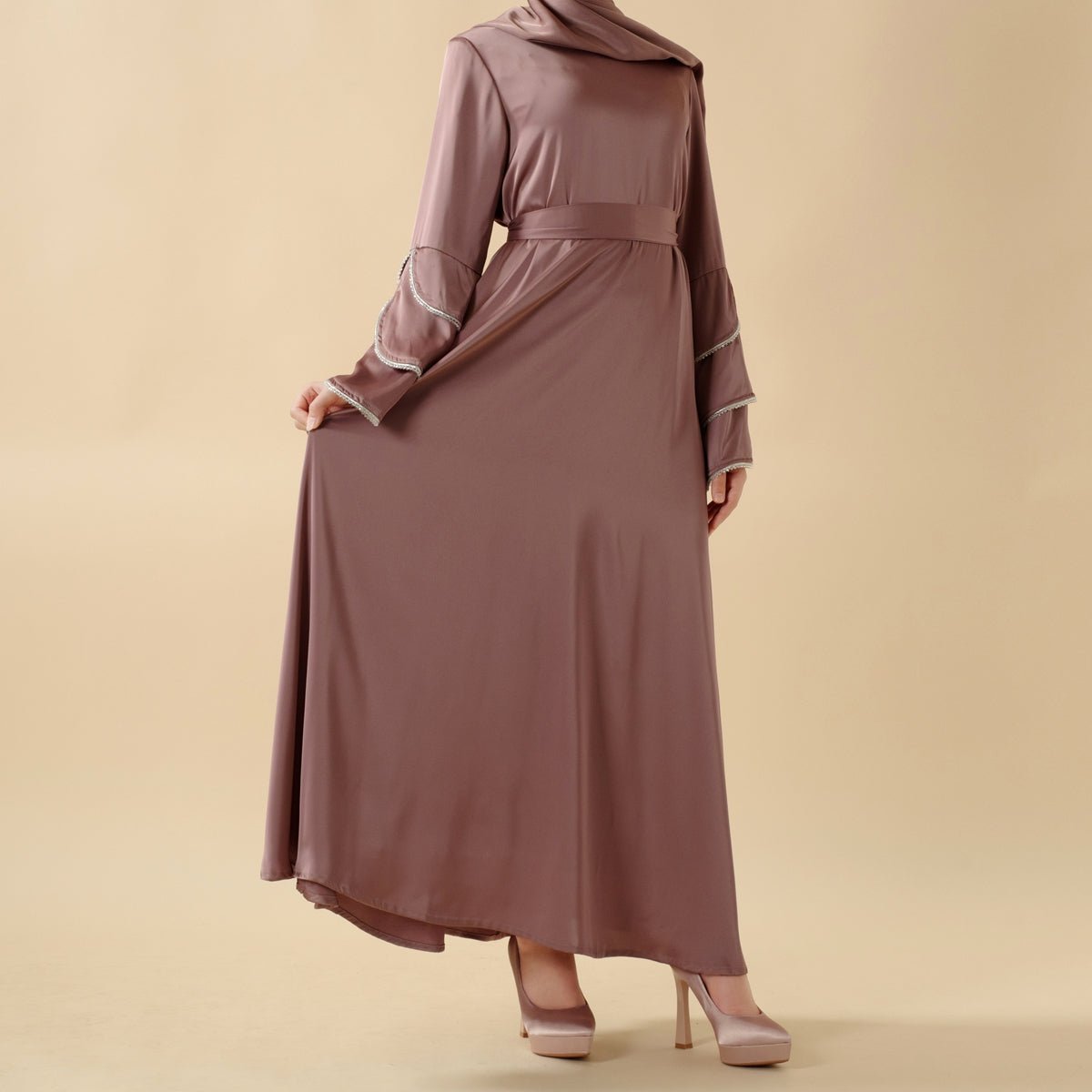

An umrah abaya is a flowing, modest outer garment specifically designed to provide comfort, ease of movement, and spiritual dignity during pilgrimage to Makkah. Unlike everyday abayas, umrah abayas prioritise breathable fabrics, lightweight construction, and practical design features—such as open fronts or adjustable fastenings—that allow for smooth layering over ihram (pilgrimage garments) and frequent prayer without restriction. The silhouette is intentionally generous to accommodate movement during tawaf (circumambulation) and sa'y (the ritual walk between Safa and Marwa), whilst maintaining full modesty and respect for the sacred rites.
Why Comfort Matters for Umrah: The Pilgrimage Context
Umrah is a journey of devotion, often undertaken during intense heat, extended periods of standing and walking, and constant ritual movement. Your clothing must work with your body, not against it. An umrah abaya that is too heavy, too tight, or made from synthetic materials will leave you exhausted and distracted from worship. The right abaya becomes invisible—a second skin that supports your spiritual focus rather than demanding your attention.
At Mariam's Collection, we understand that pilgrims need abayas that breathe with them, move with them, and endure repeated washing without losing shape or colour. This is why we emphasise natural fibres, thoughtful construction, and designs that have been tested by women who have walked the sacred ground.

Fabric Selection for Your Umrah Abaya
The fabric is everything. When you are in Makkah during peak pilgrimage seasons, temperatures can exceed 40°C. Even in cooler months, the combination of physical exertion, layering, and constant movement generates heat. Your umrah abaya must allow air circulation without clinging or becoming transparent.
Natural Fibres for Umrah Abaya Wear
Cotton and cotton-blend fabrics are the gold standard for pilgrimage. They absorb moisture, allow the skin to breathe, and maintain their integrity through frequent washing. Nida—a lightweight cotton weave—is particularly popular for umrah abayas because it drapes beautifully without weight. Linen blends offer similar benefits and add a subtle texture that resists wrinkling during travel.
Satin blends can work for umrah abayas if the base is cotton or a cotton-rich mix. The 2-Piece Satin Open Abaya Set(MOA317) uses a satin finish that catches light elegantly whilst remaining breathable enough for pilgrimage wear. The open front design allows you to layer easily over ihram and move freely during ritual.
Avoiding Heavy or Synthetic Fabrics for Pilgrimage
Polyester-heavy fabrics, whilst durable, trap heat and moisture. They can feel clammy against the skin during long days of worship. If you choose a synthetic blend, ensure the garment has a cotton-rich content (at least 60% natural fibre) and test it in warm conditions before travel.

Design Features That Support Pilgrimage Movement
An umrah abaya is not simply a smaller or simpler everyday abaya. Specific design choices make the difference between comfort and struggle during the rituals.
Open Front vs. Closed Umrah Abaya Designs
Open-front abayas are ideal for umrah because they eliminate the need to unfasten or lift the garment during prayer or ritual movement. You can layer the abaya over your ihram and inner dress, then open it fully for prayer without removing it. The 3D Lace Trim Open Abaya & Sleeveless Dress Set(MOA323) combines an open abaya with a coordinating sleeveless dress, giving you flexibility to wear the set together or layer the abaya over simple undergarments. This dual-use approach is practical for pilgrimage, where luggage space is precious.
Sleeve Length and Movement in Your Umrah Abaya
Full-length sleeves provide modesty and sun protection, but they must not restrict arm movement during tawaf or prayer. Look for sleeves that are slightly loose at the forearm—not baggy, but with enough ease to allow your arms to move freely when raised for prayer. Butterfly sleeves, which are wide and flowing from shoulder to wrist, offer excellent mobility. The 3D Jacquard Bow Abaya & Hijab Set | Butterfly Sleeve Brocade Dress(MA352) features this generous sleeve style, allowing unrestricted movement whilst maintaining an elegant silhouette.
Length and Hem Considerations for Pilgrimage
Your umrah abaya should reach the ankle or just touch the top of your shoe. Too long, and the hem will drag on the ground during the rapid pace of sa'y or become caught underfoot during tawaf. Too short, and you risk exposing your feet or ankles. A generous hem allowance (at least 1–2 cm above the ground when standing) ensures that movement does not expose you unexpectedly.

Layering for Umrah: Building Your Pilgrimage Wardrobe
An umrah abaya is one part of a layered system. Beneath it, you will wear ihram (two white cotton wraps for men, or a simple dress and headscarf for women), and you may also wear a lightweight inner dress or tunic for additional modesty and comfort.
Choosing Inner Layers Under Your Umrah Abaya
Your inner dress should be made from breathable cotton or linen. It should fit smoothly (not tight) so that when you layer the abaya over it, the silhouette remains graceful. The 2-Piece Mandarin Collar Longline Shirt & Wide Leg Pants Set(MS418) works well as an inner layer for pilgrimage. The longline shirt provides coverage and modesty, whilst the wide-leg pants allow comfortable movement. You can wear this set under a loose open abaya for a coordinated, layered look.
Hijab and Headwear for Umrah
Pair your umrah abaya with a lightweight hijab in cotton or cotton-blend fabric. Avoid heavy embellishments or intricate wrapping styles that require frequent adjustment. A simple, secure wrap allows you to focus on worship rather than constantly readjusting your headwear. Many umrah abaya sets include coordinating hijabs for this reason—the 3D Jacquard Bow Abaya & Hijab Set | Butterfly Sleeve Brocade Dress(MA352) provides both pieces in complementary designs, streamlining your packing.

Prayer Sets and Complete Umrah Solutions
If you prefer an all-in-one approach, prayer sets designed for pilgrimage eliminate guesswork. The 4-Piece Nida Prayer Set with Lace Trim(MK031) includes a prayer dress, hijab, and supporting pieces—all made from breathable nida fabric. This set is specifically engineered for prayer and pilgrimage movement, with careful attention to length, sleeve ease, and layering compatibility.
For those seeking a more elaborate umrah wardrobe, the 5-Piece Set Farasha Abaya, Premium Farasha Textured Open Abaya(MOA095) offers multiple components that work together. Farasha abayas—characterised by their flowing, tent-like silhouette—are traditional pilgrimage wear. The textured fabric adds visual interest without weight, and the five-piece structure allows you to mix and match elements depending on the day's activities and heat.

Practical Care and Maintenance During Pilgrimage
Washing Your Umrah Abaya in Makkah
You will likely wash your abayas frequently during pilgrimage—daily, in some cases. Choose fabrics and colours that withstand repeated washing without fading or pilling. Natural fibres like cotton and nida are forgiving; they actually soften with washing. Hand-wash in cool water with mild detergent, and line-dry in shade to prevent colour fade and sun damage.
Packing and Travel Considerations
Roll rather than fold your abayas to minimise creasing. Pack them near the top of your luggage so you can access them easily upon arrival. If wrinkles do appear, most cotton abayas can be steamed or gently pressed on a low setting. Avoid heavy ironing, which can damage delicate trims or embellishments.

Sizing and Fit for Umrah Comfort
An umrah abaya should be generously sized but not oversized. The difference is subtle but important. Generous sizing means there is enough fabric for comfortable movement and layering—approximately 10–15 cm of ease across the bust and hip. Oversized means the garment swallows your frame, creating bulk that becomes uncomfortable during long periods of standing or movement.
When ordering, measure yourself in a relaxed standing position, and add the recommended ease. If you are between sizes, choose the larger size; you can always adjust the fit with a tailor, but you cannot add fabric if the garment is too small.
Colour Choices for Your Umrah Abaya
White is traditional for umrah—it reflects heat and holds spiritual significance. However, soft neutrals (cream, beige, pale grey) are also practical and elegant. Darker colours absorb heat and can feel heavy in the Makkah climate, though some pilgrims prefer them for their practicality in hiding dust or minor stains during travel.
If you choose a coloured umrah abaya, opt for jewel tones or muted shades rather than bright colours. These feel more serene during worship and are less likely to fade in intense sunlight.
Building a Capsule Umrah Wardrobe
You do not need many abayas for a pilgrimage trip. Two to three high-quality abayas—each in a neutral colour and made from breathable fabric—are sufficient. Rotate them to allow each to dry completely between wears, reducing odour and extending their lifespan. Include one slightly dressier option (such as the 3D Jacquard Bow Abaya & Hijab Set | Butterfly Sleeve Brocade Dress(MA352)) for special moments or evening gatherings, and one simple everyday version for long days of ritual.
Final Thoughts: Umrah Abaya as Spiritual Support
Your umrah abaya is more than clothing—it is a practical tool that supports your spiritual journey. By choosing breathable fabrics, thoughtful designs, and a proper fit, you create the conditions for comfortable, focused worship. The right umrah abaya works quietly in the background, allowing you to concentrate on the profound experience of pilgrimage rather than on physical discomfort or distraction.
Take time to select abayas that feel good against your skin, move with you, and reflect your personal sense of modesty and style. Your pilgrimage deserves clothing that honours both the sacred nature of the journey and your own comfort and dignity.
Frequently asked questions
What is the difference between an umrah abaya and an everyday abaya?
An umrah abaya prioritises breathable, lightweight fabrics and practical designs (such as open fronts) that support pilgrimage movement and layering over ihram. Everyday abayas may use heavier fabrics or more ornate details that are less suitable for the heat, extended standing, and repeated ritual movement of pilgrimage.
Can I wear a regular abaya for umrah?
You can, but a purpose-designed umrah abaya will be significantly more comfortable. Regular abayas may be too heavy, too restrictive, or made from fabrics that do not breathe well in the intense heat of Makkah. Investing in a proper umrah abaya ensures you can focus on worship rather than physical discomfort.
What fabric is best for an umrah abaya?
Natural fibres—particularly cotton, nida, and cotton-blend fabrics—are ideal. They breathe well, absorb moisture, withstand frequent washing, and remain comfortable in hot climates. Avoid heavy synthetics that trap heat and moisture.
How many abayas should I pack for umrah?
Two to three high-quality abayas are sufficient. Rotate them to allow each to dry completely between wears. Include one everyday version and one slightly dressier option for flexibility, and ensure all are made from breathable, easy-care fabrics.
Should my umrah abaya be white?
White is traditional and practical—it reflects heat and holds spiritual significance. However, soft neutrals like cream, beige, or pale grey are equally appropriate and functional. Avoid dark colours, which absorb heat, or bright colours, which may fade in intense sunlight.
Related reading
- Graduation Abaya: Elegant Ceremony Dressing for Muslim Women
- How to Wear an Open Abaya: Styling Guide for Modern Modesty
- Butterfly Abaya Styling Guide: Elegant Looks for Every Occasion