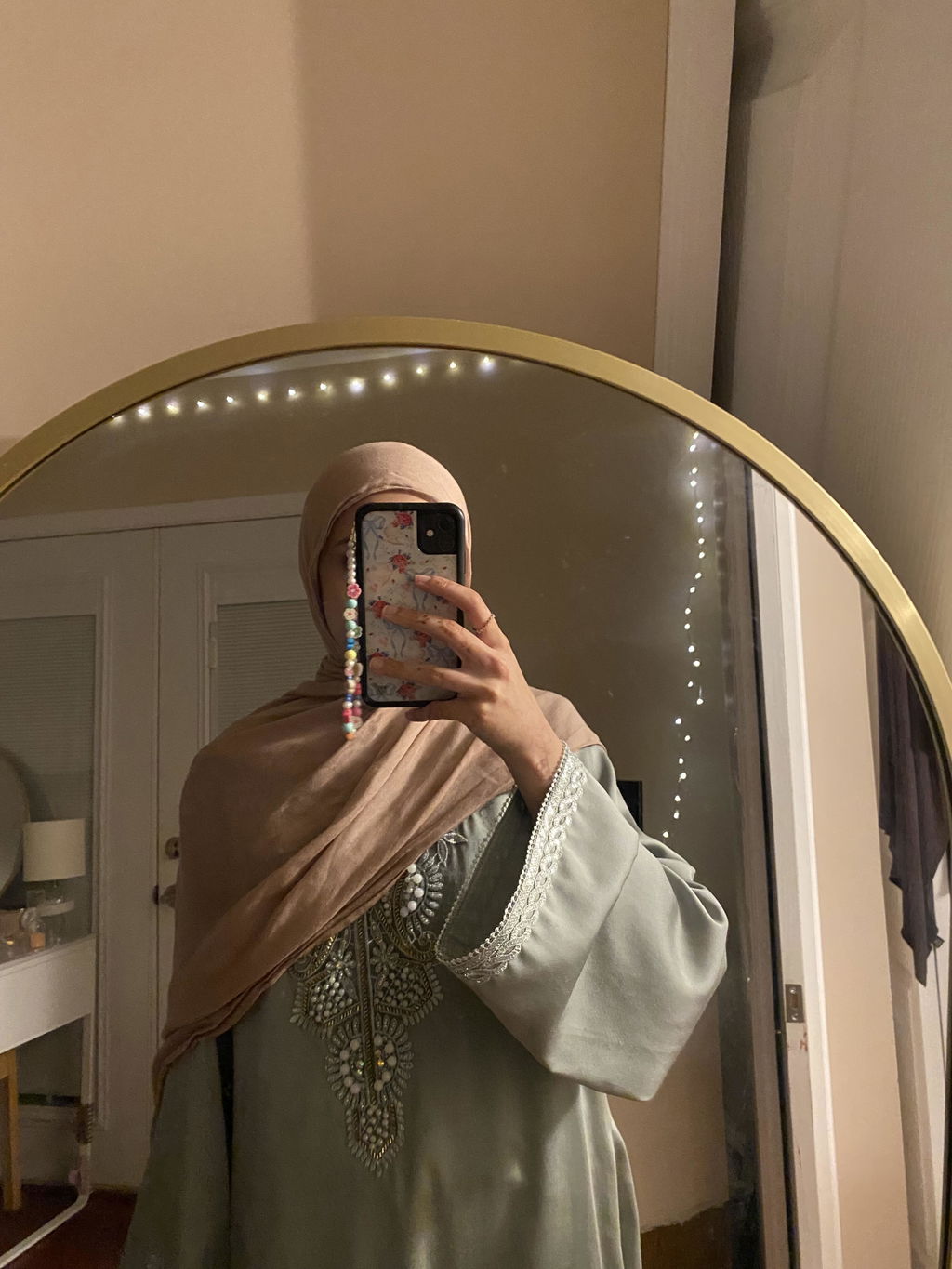

An abaya is a flowing, full-length outer garment worn over everyday clothing, designed to provide modest coverage whilst allowing for graceful movement and personal style expression through fabric, colour, and embellishment. Abayas range from simple, understated designs to pieces featuring intricate embroidery, prints, or layered silhouettes, and proper care is essential to maintain their shape, colour vibrancy, and structural integrity over time.
Why Abaya Care Matters
Your abaya is an investment in your wardrobe—a piece you wear regularly, layer thoughtfully, and rely on to feel confident and comfortable. Unlike garments you might wear once or twice a season, an abaya endures repeated wearing, exposure to environmental dust, and the occasional accidental spill. Without the right care routine, even the highest-quality fabric can fade, lose its drape, develop pilling, or become misshapen.
At Mariam's Collection, we've seen how the right washing method transforms the longevity of our pieces—customers who follow gentle care protocols report their abayas looking as fresh after two years as they did on day one. The stakes are higher with modest fashion because a well-maintained abaya is a cornerstone of your everyday elegance.

Before You Wash: Inspection and Preparation
Check the Fabric Care Label on Your Abaya
Every abaya comes with a care label for a reason. Read it thoroughly before washing. Labels specify water temperature, whether machine or hand washing is safe, and whether bleach or certain detergents are prohibited. Some abayas, particularly those in the Serene Ink Wash Abaya Collection | Watercolor Print Cardigan with Matching Hijab (MOA178), feature delicate washed-crinkle or watercolour finishes that require gentler handling than standard cotton or polyester blends.
Spot-Check for Stains and Damage
Inspect the abaya for stains, loose seams, or weakened areas. Treat visible stains before washing—a small damp cloth with a drop of mild detergent applied gently to the affected area, left for a few minutes, then rinsed with cool water, often removes surface marks without full laundering. Check for loose threads, small tears, or loose embellishments. If you find damage, repair it before washing; water pressure and agitation can worsen existing wear.
Empty Pockets and Remove Accessories
Check all pockets for forgotten items, tissues, or coins. Remove any detachable accessories, belts, or decorative elements that might snag or be damaged during washing.

How to Wash an Abaya by Hand
Hand Washing as the Gold Standard for Abayas
Hand washing is the safest method for most abayas, especially those with embroidery, prints, or delicate fabrics like the washed-crinkle finishes found in pieces such as the Floral Print Washed Crinkle Maxi Dress (MS437), Printed Washed-Crinkle Bell Sleeve Maxi Dress (MS474), and Watercolour Floral Washed-Crinkle Wide-Sleeve Maxi Dress (MS473). Hand washing gives you complete control over water temperature, agitation, and rinsing—critical for preserving colour and structure.
Step-by-Step Hand Washing Process for Your Abaya
Fill a basin or sink with cool to lukewarm water. Use water no warmer than 30°C. Hot water can cause dyes to bleed, particularly in darker abayas or those with print finishes. Fill the basin with enough water to fully submerge the abaya.
Add a gentle detergent. Use a mild, fragrance-free detergent formulated for delicates or wool. Avoid bleach, brighteners, and enzyme-based detergents unless the care label explicitly permits them. Pour the recommended amount (usually a small capful) into the water and swirl gently to distribute.
Submerge the abaya and soak. Gently lower the abaya into the basin, pressing it down so the entire garment is underwater. Let it soak for 10–15 minutes. This allows the detergent to loosen dirt and oils without aggressive scrubbing.
Gently agitate the abaya. After soaking, softly squeeze the soapy water through the fabric. Pay extra attention to areas that touch your skin—underarms, neckline, and the inner hem—but avoid wringing, twisting, or scrubbing. For embroidered or heavily printed sections, treat them with extra gentleness; use your fingers to lightly work the soapy water through rather than rubbing.
Rinse thoroughly. Drain the soapy water. Refill the basin with cool, clean water. Submerge the abaya again and gently squeeze the rinse water through the fabric. Repeat this process 2–3 times until the water runs clear and no soap residue remains. Residual detergent can cause stiffness and attract dirt.
Machine Washing an Abaya: When It's Appropriate
Some abayas, particularly simpler styles or those made from hardwearing blended fabrics, may be machine-washable on a delicate cycle. Always check the care label first. If machine washing is permitted, use a mesh laundry bag to contain the abaya, select a gentle or delicate cycle with cold water, and use the mild detergent recommended above. Never use the spin cycle; instead, remove the abaya gently and proceed to drying.

Drying Your Abaya Correctly
Remove Excess Water Without Wringing
After rinsing, gently squeeze excess water from the abaya using your hands. Do not wring, twist, or hang it while wet and dripping, as the weight of water can distort the fabric and strain seams. If the abaya is particularly heavy with water, lay it flat on a clean, dry towel, roll the towel loosely (with the abaya inside) to absorb moisture, then unroll and proceed to air drying.
Air Dry on a Flat Surface or Hanging Space
The ideal drying method depends on your abaya's weight and structure. Lightweight abayas and those with delicate prints—such as the pieces in the Serene Ink Wash Abaya Collection | Watercolor Print Cardigan with Matching Hijab (MOA178)—benefit from flat drying on a clean, dry towel or drying rack, away from direct sunlight and heat sources. Lay the abaya out fully, smooth any wrinkles gently with your hands, and allow it to air dry naturally. This usually takes 24–48 hours depending on humidity and fabric weight.
For heavier abayas or structured pieces like the 2-Piece Embroidered Peplum Jacket & Micro Pleat Maxi Skirt Set (MS417) and 2-Piece Hoodie Top & Full A-Line Maxi Skirt Set (MS427), hanging can be appropriate if the garment is not soaking wet. Use a padded hanger (not a wire hanger, which can leave marks) and hang in a well-ventilated area away from direct heat or sunlight. Never use a radiator, tumble dryer, or heated airing cupboard; heat can set stains, fade colours, and damage synthetic fibres.
Avoid Direct Sunlight
Prolonged exposure to direct sunlight during drying can cause colours to fade, particularly in rich jewel tones or print finishes. Dry your abaya indoors, near a window if needed for air circulation, but out of the sun's direct rays.

Special Considerations for Printed and Embellished Abayas
Caring for Printed Abayas Like the Floral Print Washed Crinkle Maxi Dress (MS437)
Printed abayas require extra caution because water and detergent can cause dyes to migrate or fade. Always wash in cool water, use minimal detergent, and avoid prolonged soaking. Turn the abaya inside out before washing to reduce direct exposure of the print to water and agitation. If the print is on the outer surface, hand wash only and avoid rubbing the printed area.
Protecting Embroidered Details
Embroidered abayas, particularly those featuring intricate threadwork, should be hand-washed only. Turn the garment inside out to protect the embroidery from friction. Avoid soaking for extended periods, as water can weaken the threads or cause the backing material to deteriorate. After washing, lay flat to dry; do not hang, as the weight of wet embroidery can distort the design and strain the base fabric.
Washed-Crinkle Finishes: Preserve the Texture
Pieces like the Printed Washed-Crinkle Bell Sleeve Maxi Dress (MS474) and Watercolour Floral Washed-Crinkle Wide-Sleeve Maxi Dress (MS473) have a deliberate crinkled texture. To maintain this finish, avoid over-pressing or using high heat when drying. Air dry flat or hanging, and if ironing is necessary, use a low temperature and iron on the reverse side only, or use a pressing cloth between the iron and fabric.

Addressing Common Stains and Issues
Oil and Grease Stains on Your Abaya
Treat oil stains immediately with a small amount of neat mild detergent applied directly to the stain. Let it sit for 5–10 minutes to break down the oil, then gently rub with a soft cloth or your fingers. Rinse thoroughly with cool water. Do not wash the entire abaya for a small localised stain; spot treatment is more effective and gentler on the fabric.
Dye Bleeding and Colour Transfer
If you notice colour bleeding during the first wash—particularly with darker or richly coloured abayas—do not panic. This is often normal with new garments. Continue rinsing until the water runs clear. For future washes, always use cool water and wash separately from lighter-coloured items. If bleeding persists after several washes, wash the abaya separately or with similar colours only.
Pilling and Bobbling
Pilling occurs when short fibres work loose from the fabric surface, forming small balls. It is cosmetic and does not indicate poor quality. Prevent excessive pilling by washing gently and avoiding high agitation. If pilling occurs, use a soft lint brush or a specialist fabric comb (not a razor, which can damage the fabric) to gently remove the bobbles.

Storage: Extending the Life of Your Abaya Between Wears
How you store your abaya between wears is as important as how you wash it. Hang abayas on padded hangers in a cool, dry cupboard away from direct sunlight. If hanging space is limited, fold carefully along the seams and store in a breathable cotton storage bag (not plastic, which traps moisture and can encourage mildew). Ensure the storage area is free from damp, pests, and strong odours. Refresh stored abayas by airing them outdoors on a breezy day before wearing again.
Final Thoughts on Abaya Care
Learning how to wash an abaya properly is an act of respect for the garment itself and for your investment in quality modest fashion. The techniques outlined here—cool water, gentle handling, appropriate drying, and thoughtful storage—apply across our collections, whether you're caring for a simple everyday piece or a special occasion abaya with embroidery and delicate finishes. By following these steps consistently, your abaya will maintain its colour, drape, and beauty for years, becoming a reliable and elegant part of your everyday wardrobe.
Frequently asked questions
Can I machine wash my abaya on a gentle cycle?
Only if the care label explicitly permits machine washing. Use a delicate cycle with cold water in a mesh laundry bag, mild detergent, and skip the spin cycle. Hand washing is safer for most abayas, especially those with prints or embroidery.
What temperature water should I use to wash an abaya?
Use cool to lukewarm water, no hotter than 30°C. Hot water can cause dyes to bleed and damage delicate fabrics. Cool water is gentler and helps preserve colour vibrancy.
How do I remove a stain from my abaya without washing the whole garment?
Apply a small amount of mild detergent directly to the stain, let it sit for 5–10 minutes, then gently rub with a soft cloth or your fingers. Rinse thoroughly with cool water. Spot treatment is often more effective than full washing for localised stains.
Can I tumble dry my abaya?
No. Never use a tumble dryer, radiator, or direct heat. Air dry your abaya flat on a towel or hanging on a padded hanger, away from direct sunlight. Heat can fade colours, set stains, and damage synthetic fibres.
Should I turn my abaya inside out before washing?
Yes, especially for printed or embroidered abayas. Turning it inside out protects the outer design and print from direct friction and water exposure, helping to preserve colour and detail.
How often should I wash my abaya?
This depends on wear frequency and personal preference. If worn daily, wash every 2–4 weeks. For occasional wear, wash every 4–8 weeks or when visibly soiled. Spot treat minor stains between full washes to reduce washing frequency.
Related reading
- Graduation Abaya: Elegant Ceremony Dressing for Muslim Women
- How to Wear an Open Abaya: Styling Guide for Modern Modesty
- Butterfly Abaya Styling Guide: Elegant Looks for Every Occasion