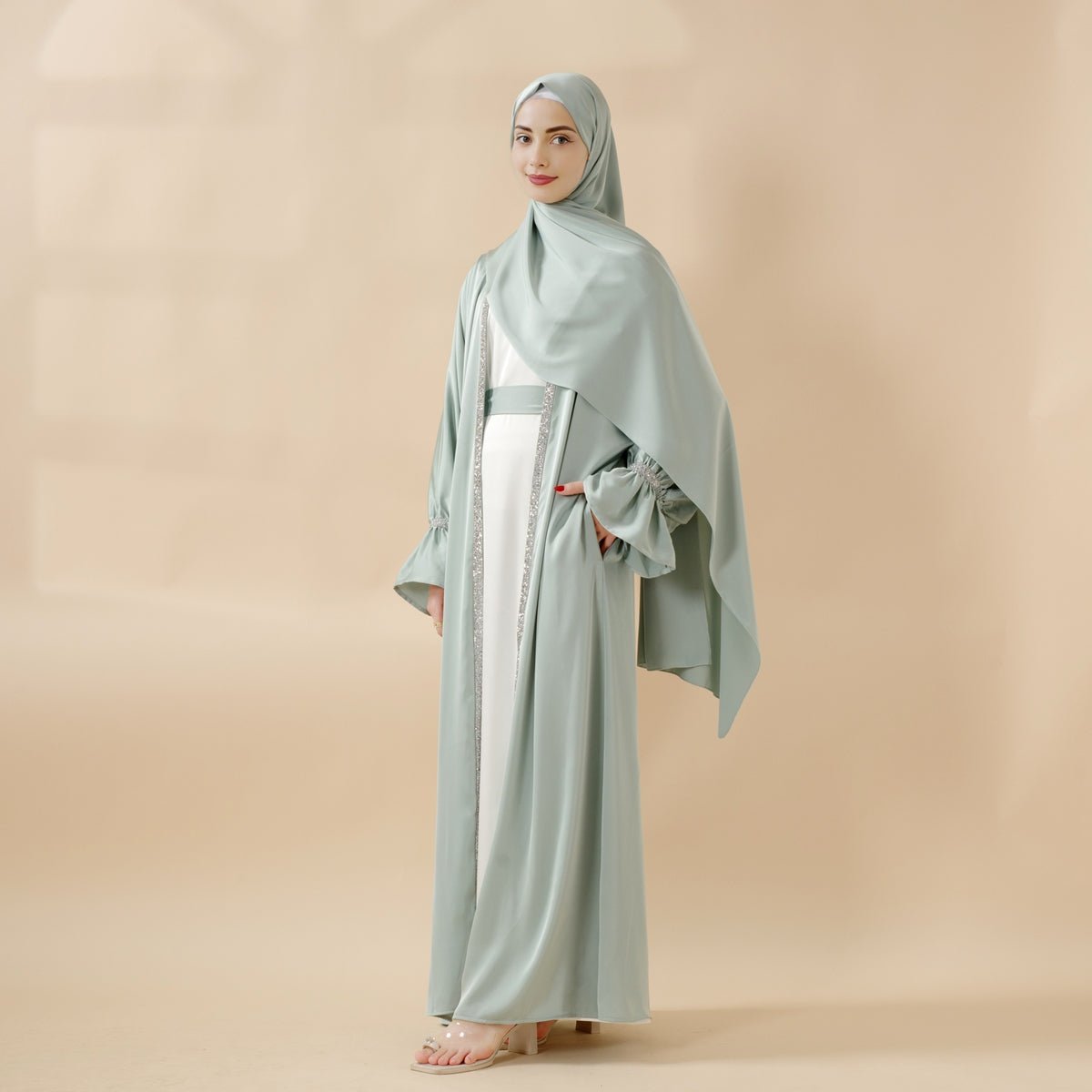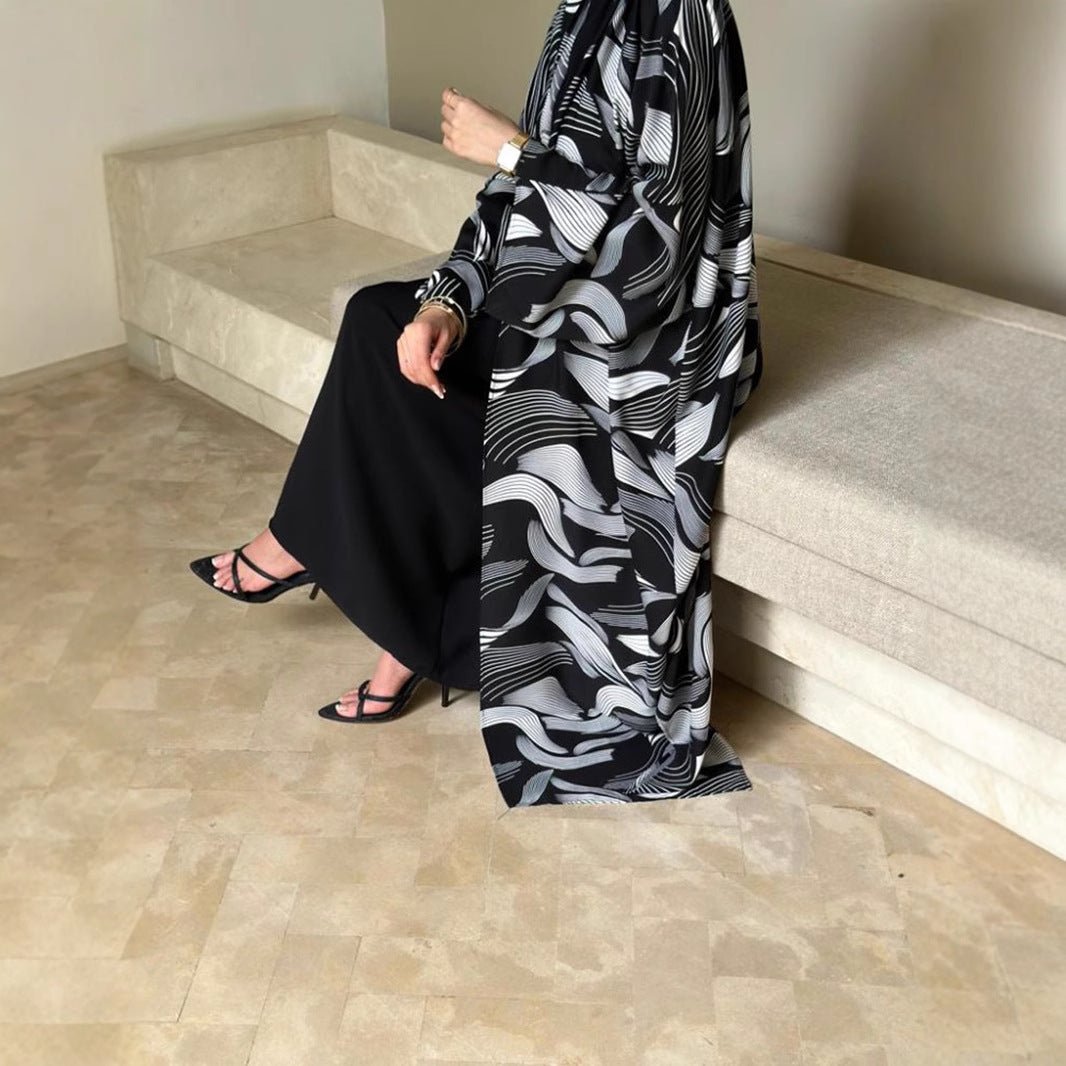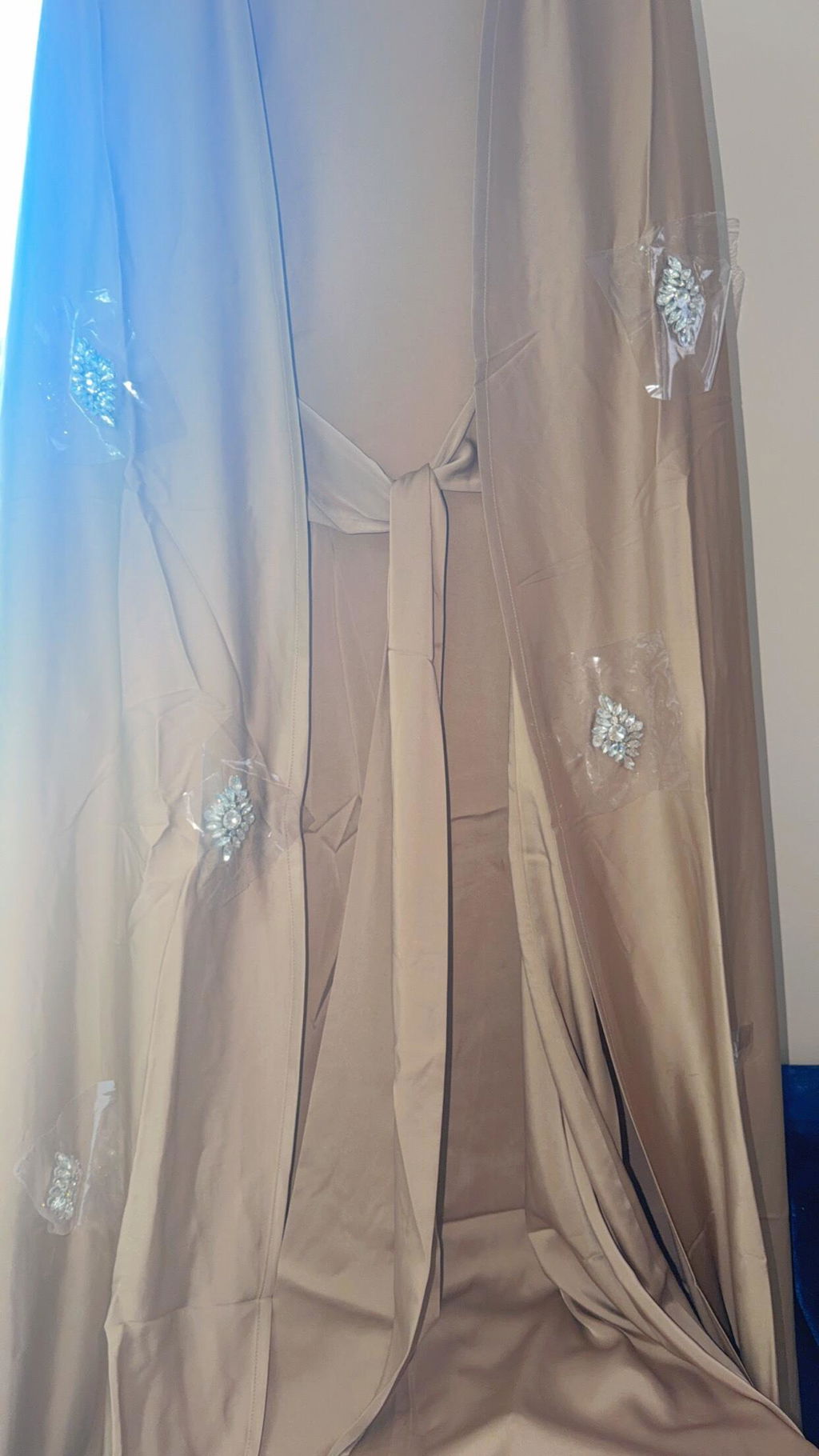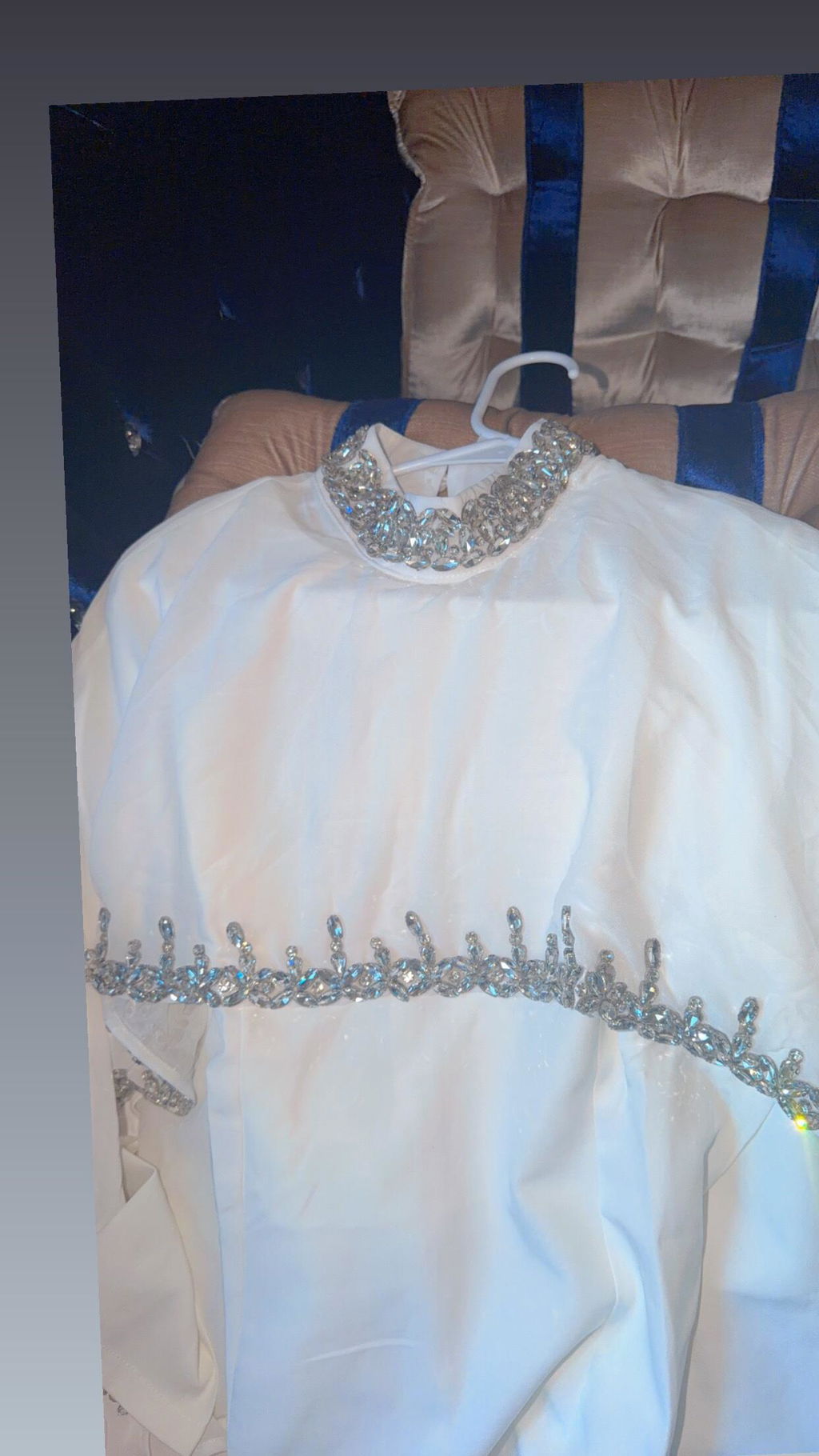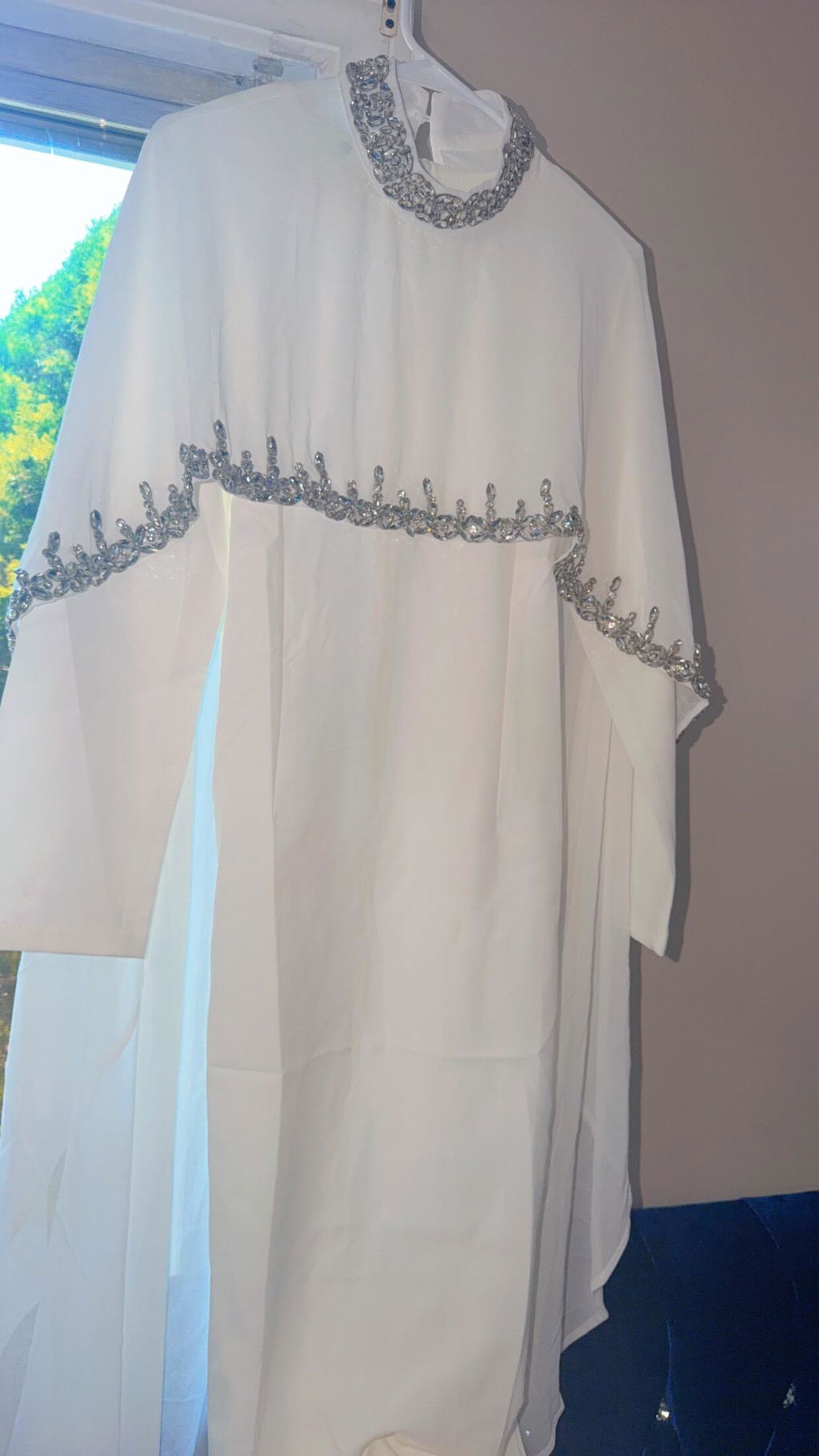

An abaya fabrics guide is a resource that explains the characteristics, benefits, and best uses of different textile materials commonly used in traditional abayas and modest wear. From natural fibres like linen and cotton to blended synthetics such as nida and chiffon, each fabric offers distinct advantages in terms of breathability, drape, durability, and suitability for different climates and occasions. Understanding these differences helps you select an abaya that aligns with your lifestyle, comfort needs, and aesthetic preferences.
Why Fabric Choice Matters in Your Abaya
The fabric you choose determines not only how your abaya looks but how it feels against your skin and how long it will last. A heavy, dense fabric like nida provides structure and opacity, making it ideal for everyday wear and layering. A lighter material like chiffon creates movement and elegance, suiting formal occasions and warmer weather. At Mariam's Collection, we carefully select fabrics that balance modesty, comfort, and wearability so you can feel confident in what you're wearing.
Fabric also affects how your abaya moves with your body. Some materials cling slightly, others flow freely. Some require more careful washing; others are remarkably forgiving. Before investing in an abaya, it's worth understanding what each fabric demands and what it offers in return.

Understanding Common Abaya Fabrics
Nida: The Everyday Workhorse
Nida is a lightweight, breathable synthetic blend—typically polyester mixed with cotton or viscose—that has become the standard for modern abayas. It's durable, wrinkle-resistant, and holds its shape beautifully, which is why it's favoured for both everyday wear and travel.
Nida drapes smoothly without clinging to the body, maintains its colour through repeated washing, and dries quickly. It's also affordable, making it accessible for building a versatile wardrobe. The main consideration is that pure synthetic nida can feel warm in very hot climates, though many manufacturers now blend it with natural fibres to improve breathability. If you're looking for a reliable, low-maintenance abaya that works across seasons, nida is an excellent foundation piece.
Chiffon: Elegance and Movement
Chiffon is a delicate, lightweight fabric made from twisted yarns that create a slightly sheer, flowing texture. It's traditionally used in formal wear and special occasion abayas because of its graceful drape and ethereal quality.
Chiffon feels soft and moves beautifully with your body, creating an elegant silhouette. However, it requires more careful handling—hand washing is recommended, and it can snag or tear more easily than sturdier fabrics. Chiffon also shows wrinkles more readily, so it's best suited to occasions where a little movement and softness are welcome rather than daily commuting. The 2-Piece Pearl Beaded 3D Rose Embroidered Jacket & Chiffon Pleated Maxi Dress Set(MS401) exemplifies how chiffon can be layered with structured pieces to create visual interest and movement.
Linen: Breathable and Textured
Linen is a natural fibre made from flax plants, prized for its exceptional breathability and cooling properties. It's ideal for summer wear and hot climates because it allows air to circulate freely and moisture to evaporate quickly.
Linen has a characteristic texture and slight irregularity that many people find appealing—it looks relaxed and natural. The trade-off is that linen creases easily and requires more ironing than synthetic blends. It also softens and becomes more comfortable with every wash. If you live in a warm climate or prefer natural fibres, linen abayas offer genuine comfort, though they demand a little more care and maintenance.
Cotton: Soft and Breathable
Cotton is a classic natural fibre, soft against the skin and highly breathable. Pure cotton abayas or cotton-blend abayas are comfortable for everyday wear and suitable for most climates.
Cotton absorbs moisture well, making it comfortable in humid conditions, but it wrinkles more easily than synthetic blends and may shrink if not washed carefully. Many modern abayas use cotton blends—mixing cotton with polyester or viscose—to retain softness whilst improving durability and reducing wrinkles.
Crepe and Crinkle Fabrics: Texture and Forgiving Structure
Crepe is a fabric with a distinctive crinkled or pebbled texture, created through a special weaving or finishing process. Crinkle fabrics, similar in effect, offer built-in texture that hides wrinkles and adds visual interest.
These fabrics are forgiving to wear and travel well because the texture masks creasing. They're also lightweight and breathable, making them suitable for various climates. The 2-Piece Ice Silk Crinkle Hi-Lo Top & Wide Leg Pants Set(MS421) demonstrates how crinkle texture can add dimension to a modern two-piece set whilst maintaining ease of care.
Silk and Silk-Like Synthetics: Luxury and Sheen
Silk is a natural protein fibre known for its lustrous sheen, smooth texture, and temperature-regulating properties. Genuine silk abayas are luxurious but require delicate care—dry cleaning is often recommended.
Silk-like synthetics, such as polyester satin or charmeuse, offer a similar visual effect and softer hand-feel at a lower price point and with easier care. These fabrics work well for special occasions and formal wear, where their sheen and drape create an elegant impression.

Choosing Abaya Fabrics for Different Occasions
Everyday Abayas: Durability and Ease
For daily wear—commuting, work, shopping, or casual outings—choose fabrics that are durable, low-maintenance, and comfortable for extended wear. Nida blends, cotton-polyester mixes, and crepe fabrics are ideal. They withstand frequent washing, resist wrinkles, and maintain their shape. The 2-Piece Embroidered Peplum Jacket & Micro Pleat Maxi Skirt Set(MS417) offers a structured, everyday-appropriate option that balances style with practicality.
Formal and Special Occasion Abayas: Elegance and Drape
For weddings, celebrations, or formal gatherings, consider fabrics with more visual drama and movement: chiffon, silk, crepe with embellishment, or luxurious blends. These fabrics allow for detailed embroidery, beading, or pleating and create a refined, occasion-appropriate appearance. The 2-Piece Pearl Beaded 3D Rose Embroidered Jacket & Chiffon Pleated Maxi Dress Set(MS401) showcases how chiffon and embellishment work together to elevate a formal look.
Summer and Hot-Weather Abayas: Breathability First
In warm climates or during summer months, prioritise natural fibres or lightweight synthetic blends with excellent airflow. Linen, cotton, lightweight nida, and ice silk are all strong choices. These fabrics allow sweat to evaporate and prevent heat from being trapped against your body. The 2-Piece Ice Silk Crinkle Hi-Lo Top & Wide Leg Pants Set(MS421) is specifically designed with breathability and movement in mind for warmer seasons.
Layering and Transitional Abayas: Versatility
If you layer your abaya over other pieces, choose fabrics with enough structure to hold their shape but enough drape to move smoothly over layers. Nida, lightweight crepe, and structured cotton blends work well. The 2-Piece Mandarin Collar Longline Shirt & Wide Leg Pants Set(MS418) functions as a versatile layering piece that works across seasons and styling approaches.

Fabric Blends: Finding the Right Balance
Most modern abayas use fabric blends rather than 100% natural or 100% synthetic materials. A blend combines the strengths of different fibres: cotton with polyester for softness and durability, linen with viscose for breathability and drape, or nida with spandex for comfort and flexibility.
When shopping, check the fabric composition on the label. A blend of 65% polyester and 35% cotton, for example, offers the wrinkle-resistance and structure of polyester with the softness and breathability of cotton. Blends are often the sweet spot for everyday wear because they balance care requirements with comfort and longevity.

Caring for Different Abaya Fabrics
Washing and Drying Abaya Fabrics
Nida and cotton blends can usually tolerate machine washing in cool water on a gentle cycle. Chiffon, silk, and delicate embellished pieces should be hand-washed or dry-cleaned. Linen can be machine-washed but benefits from a gentle cycle and cool water to minimise shrinkage. Always check the garment label for specific care instructions, as finishing treatments and embellishments may require special handling.
Air-drying is gentler than machine drying for most abaya fabrics. Hang your abaya to dry, away from direct sunlight, to preserve colour and fabric integrity. If you use a tumble dryer, select a low-heat setting and remove the garment whilst slightly damp to minimise wrinkles.
Ironing and Storage
Nida and synthetic blends require minimal ironing, if any. Linen and cotton benefit from ironing to restore a crisp appearance. Chiffon and silk can be pressed on a low heat with a pressing cloth to avoid damage. Crepe and crinkle fabrics should not be heavily ironed, as this flattens their texture.
Store your abayas on hangers in a cool, dry place away from direct sunlight to prevent fading. For long-term storage, use breathable garment bags rather than plastic, which can trap moisture and encourage mildew.

Selecting Abaya Fabrics for Your Lifestyle
Your choice of abaya fabric should reflect your daily routine, climate, and personal preferences. If you travel frequently, nida and crepe fabrics are forgiving and pack well. If you prioritise natural fibres, linen and cotton blends offer comfort and breathability. If you attend formal events regularly, investing in chiffon or silk-blend pieces with embellishment is worthwhile.
Consider also how much time you're willing to spend on care. Synthetic blends and crepe fabrics are low-maintenance; linen, cotton, and silk require more attention. Neither approach is wrong—it's about matching the fabric to your life.
The 2-Piece Hoodie Top & Full A-Line Maxi Skirt Set(MS427) and the 2-Piece Polka Dot Print Open Abaya Set(MOA316) both demonstrate how different fabric choices and construction methods can create distinct silhouettes and styling opportunities within the modest wear category.

Building a Fabric-Conscious Abaya Wardrobe
Rather than owning one abaya in one fabric, consider building a small collection with different materials for different purposes. A nida abaya for everyday wear, a chiffon piece for formal occasions, and a linen option for summer creates a versatile foundation. This approach means you're always wearing the right fabric for the moment, extending the life of each piece and ensuring you feel comfortable and appropriate.
When you understand abaya fabrics, you make more intentional purchases. You know why a particular piece costs more (better fabric quality, natural fibres, careful finishing), and you can care for it properly to maximise its lifespan. Over time, this knowledge transforms how you shop and how you wear your modest wardrobe.
Conclusion: Making Informed Fabric Choices
An abaya fabrics guide empowers you to move beyond aesthetics and consider the practical, sensory, and longevity aspects of your clothing. Whether you're drawn to the reliability of nida, the elegance of chiffon, the breathability of linen, or the softness of cotton, each fabric has genuine strengths. Your task is to match those strengths to your needs.
The next time you're shopping for an abaya, take a moment to check the fabric label, consider how it will feel against your skin, and think about how you'll care for it. This small pause makes a significant difference in your satisfaction with the piece. Understanding abaya fabrics transforms them from anonymous garments into thoughtful, wearable choices that serve your life well.
Frequently asked questions
What is the best abaya fabric for hot weather?
Linen, cotton, and lightweight ice silk are your best choices for hot climates. These natural and light synthetic fibres allow air to circulate and moisture to evaporate, keeping you cool and comfortable throughout the day.
Can I machine-wash all abaya fabrics?
No. Nida and cotton-blend abayas can usually be machine-washed on a gentle cycle, but chiffon, silk, and heavily embellished pieces should be hand-washed or dry-cleaned to prevent damage.
What does nida fabric feel like, and why is it so common in abayas?
Nida is a lightweight, breathable synthetic blend that feels smooth and drapes well without clinging to the body. It's durable, wrinkle-resistant, affordable, and low-maintenance, making it the standard choice for everyday abayas.
Is silk or silk-like synthetic better for an abaya?
Genuine silk offers luxury and temperature regulation but requires delicate care and often dry cleaning. Silk-like synthetics (polyester satin or charmeuse) provide similar visual sheen and drape with easier care and lower cost, making them practical for special occasions.
Related reading
- Graduation Abaya: Elegant Ceremony Dressing for Muslim Women
- How to Wear an Open Abaya: Styling Guide for Modern Modesty
- Butterfly Abaya Styling Guide: Elegant Looks for Every Occasion