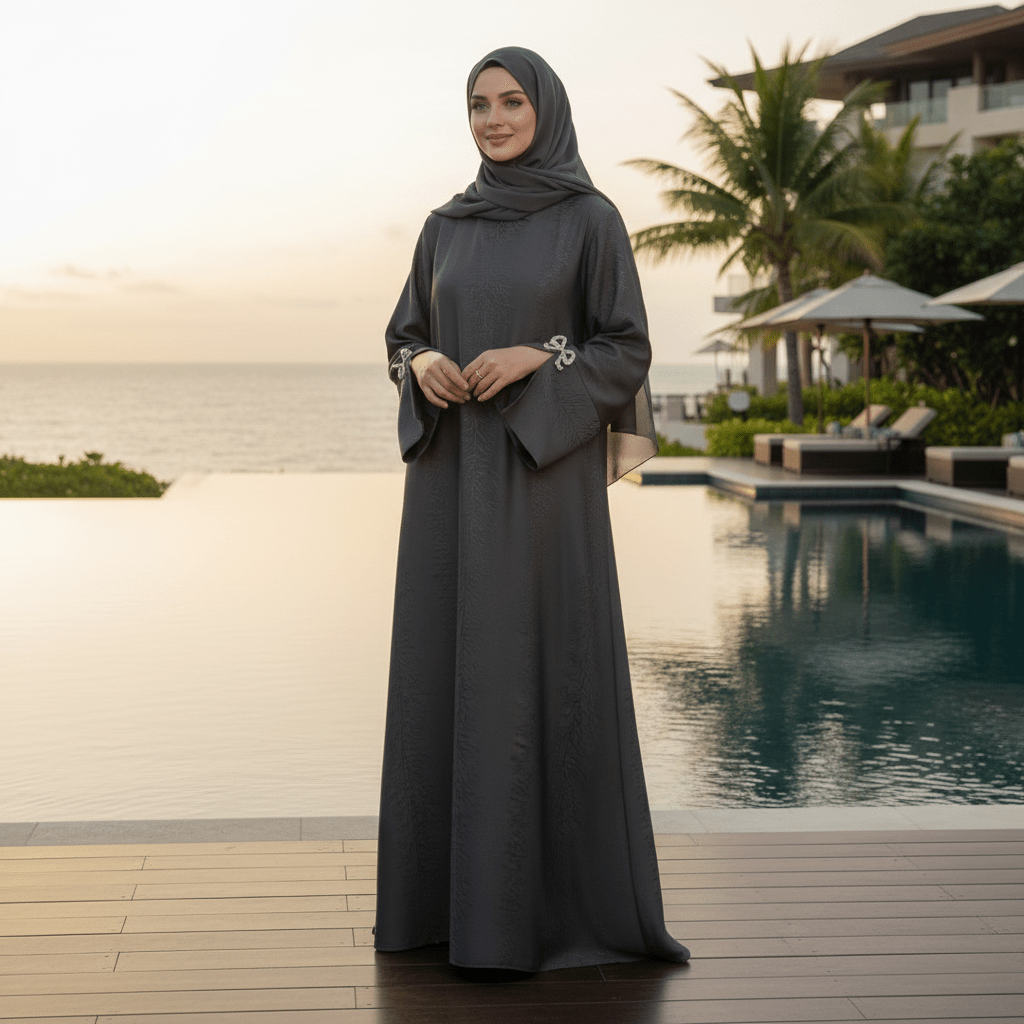

How to style hijab is a question that goes beyond aesthetics—it is about finding a wrap technique that feels secure, stays in place, and complements your personal style without requiring constant adjustment. A hijab is a head covering worn by Muslim women as part of Islamic modesty practice, typically a rectangular scarf that can be draped, pinned, and styled in countless ways to suit different face shapes, occasions, and fabric preferences. The difference between a hijab that shifts throughout the day and one that remains elegant and stable lies in three key areas: your choice of fabric, the wrapping technique you use, and how you secure and layer your wrap.
Understanding Fabric for Hijab Styling
The fabric you choose has an enormous impact on how your hijab behaves. Lightweight, slippery fabrics slide more easily; structured, grippier fabrics hold their shape and stay put longer. At Mariam's Collection, we have found that our customers who struggle with hijab slippage often benefit most from trying different fibre compositions rather than adjusting their technique alone.
Natural Fibres for Everyday Hijab Wrapping
Cotton and cotton-blend hijabs offer excellent grip and breathability, making them ideal for everyday wear. They do not slide as easily as pure silk or chiffon, and they hold pleats and folds reliably. The Painted Watercolor Cotton Hijab in Bohemian Style (MH141) is a practical choice for those who prioritise stability; cotton's natural texture provides friction against hair and skin, which keeps your wrap anchored without excessive pinning.
Lightweight Synthetics and Blends for Comfort
Chiffon and chiffon blends are beloved for their breathability and drape, but they require more intentional styling to prevent slipping. The Elegant Printed Chiffon Hijab Scarf Bohemian Style Breathable Sun Protection Wrap (MH136) is designed with a slight weight and weave that balances movement with stability. Chiffon works best when you use a slip-resistant underscarff or bonnet beneath it, or when you employ pin placement strategically to anchor key points of the wrap.
Statement Fabrics for Textured Hold
Satin, crinkle, and textured finishes offer visual interest and often provide better grip than smooth fabrics. The Oil Painting Style Dopamine Satin Crinkle Hijab (MH097) combines a satin sheen with a crinkled texture that resists sliding; the surface irregularities create friction that helps the wrap stay in place. These fabrics are particularly useful if you prefer minimal pinning or want a wrap that feels secure during active days.

Core Wrapping Techniques for How to Style Hijab
Once you have chosen your fabric, the wrapping method matters just as much. The most secure wraps involve layering, anchoring points, and strategic placement of pins or fasteners.
The Two-Layer Foundation for Hijab Styling
Start with a slip-resistant underscarff or bonnet as your base layer. This creates a textured surface that grips your hijab scarf and prevents it from sliding against your hair. Drape your main hijab scarf over the underscarff, ensuring that one end is slightly longer than the other. Bring the longer end across your chest and up to the opposite shoulder, then wrap it around the back of your head and secure it with a pin at the nape of your neck. This technique works for most face shapes and occasions.
The Layered Look and Hijab Styling for Coordinated Sets
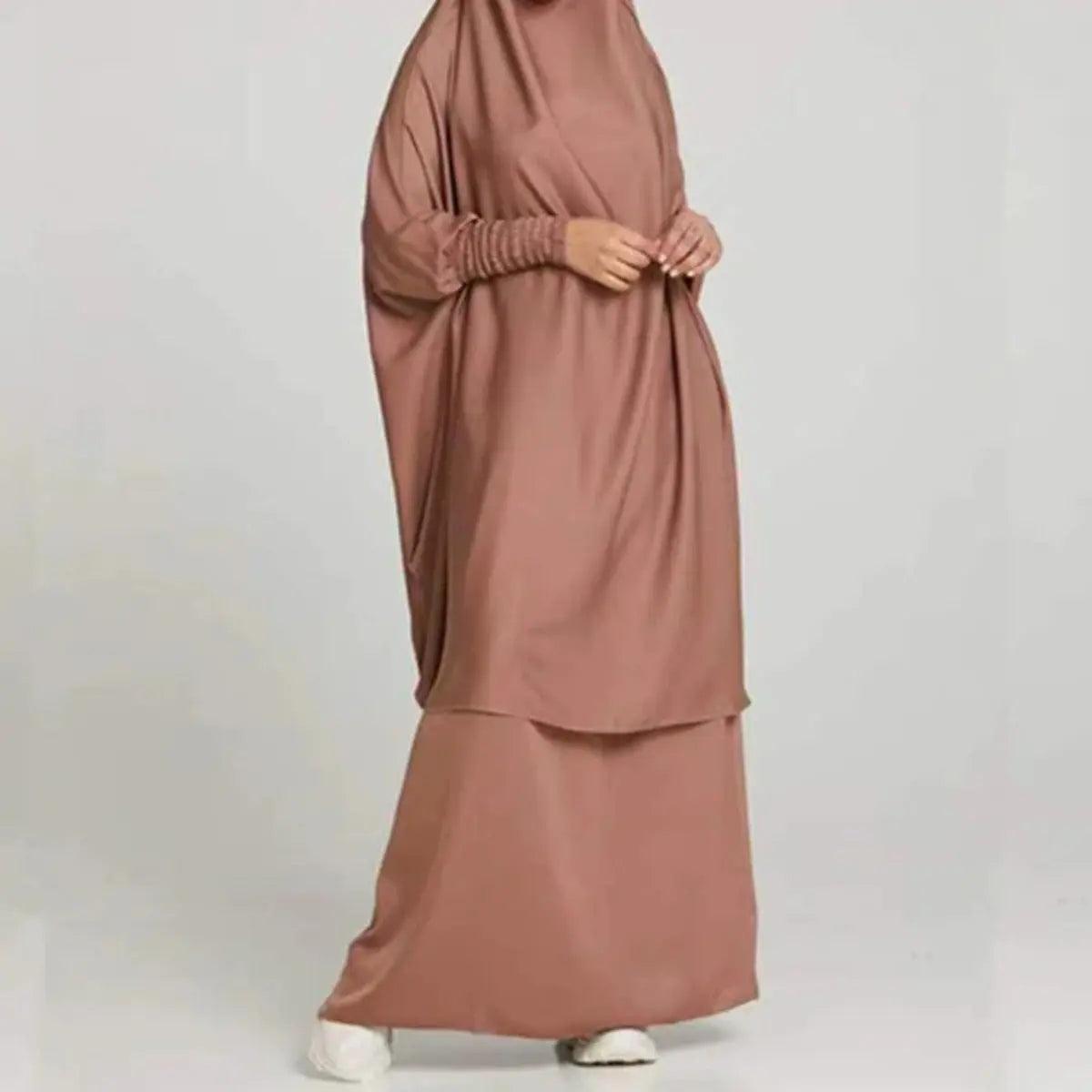
Some women prefer to style their hijab as part of a coordinated outfit, pairing it with a matching or complementary abaya. The Elegant Shimmer Batwing Abaya Set with Hijab | Two-Piece Pullover Style Layered Look (MA315) comes with a hijab that is already colour-matched and proportioned to work with the abaya silhouette. When styling hijab as part of a set, ensure your wrapping technique allows the hijab to frame your face without overwhelming it, and that the layers between the underscarff, hijab, and any outer garment do not create bulk at the shoulders.
Pin Placement for How to Style Hijab Securely
Use one pin at the nape of the neck to anchor the main wrap, and a second pin at the temple or cheek area if you prefer extra security. Avoid clustering pins in one spot; distribute them to create multiple anchor points. Choose hijab pins or brooches that have a smooth, closed design so they do not catch on fabric. If you find yourself adjusting your hijab frequently, add a pin rather than adjusting your wrapping technique—the issue is likely insufficient anchoring rather than poor technique.

Styling Your Hijab for Different Face Shapes and Features
How to Style Hijab for Round Faces
Create height at the crown and avoid gathering fabric directly at the sides of your face. Drape your hijab so that the front edges frame your cheekbones rather than your jawline. A longer, more angular drape will create visual length. Avoid overly voluminous wraps that add width.
How to Style Hijab for Oval Faces
Oval faces can carry almost any hijab style. Experiment with softer, more relaxed drapes as well as structured, angular folds. You have the flexibility to try both minimalist wraps and more elaborate layered styles without concern for balance.
How to Style Hijab for Rectangular or Longer Faces
Add width and softness by creating gentle folds across your forehead and cheeks. Avoid pulling your hijab too tightly or draping it too far back; keep some fabric forward to balance facial proportions. Softer, flowing fabrics like the Free Palestine Chiffon Hijab – Cultural Statement Scarf with Arabic Letter Design (MH107 or UKMH107) work well because they create gentle curves rather than sharp lines.

Everyday Hijab Styling for Comfort and Longevity
How to Style Hijab for All-Day Wear
For hijabs you wear from morning to evening, prioritise comfort alongside security. Choose fabrics that breathe—cotton, cotton blends, and lightweight chiffon—so you do not feel overheated. Use an underscarff that wicks moisture away from your scalp. Wrap your hijab firmly but not tightly; you should be able to fit one finger comfortably between the wrap and your head. This balance keeps your hijab secure without causing tension headaches.
Caring for Your Hijab to Maintain Styling Quality
How you wash and dry your hijab affects how it wraps and holds its shape. Hand wash delicate fabrics like chiffon in cool water with mild detergent; machine wash cotton hijabs on a gentle cycle. Avoid fabric softener, which reduces grip and makes wraps more slippery. Dry flat or on a line rather than in a tumble dryer; heat can damage synthetic fibres and shrink cotton slightly. A well-maintained hijab will hold its shape and drape more reliably than one that has been damaged by harsh washing.
Styling Your Hijab with Colour and Pattern
How to Style Hijab Patterns for Visual Interest
Patterned hijabs, such as the Elegant Printed Chiffon Hijab Scarf Bohemian Style Breathable Sun Protection Wrap (MH136), can anchor an entire outfit. When wearing a bold print, keep your abaya or dress more neutral so your hijab becomes the focal point. Conversely, if your abaya has a pattern, choose a solid or subtly patterned hijab to avoid visual competition. The Oil Painting Style Dopamine Satin Crinkle Hijab (MH097) brings colour and movement; style it with neutral layers so the hijab's artistry shines.
Seasonal Colour Choices in Hijab Styling
Lighter, cooler tones and breathable fabrics suit warmer months; deeper, richer colours and slightly heavier fabrics work well in cooler seasons. The Painted Watercolor Cotton Hijab in Bohemian Style (MH141) offers soft, blended watercolour tones that work year-round and pair easily with most abaya colours.

Common Hijab Styling Challenges and Solutions
Hijab Slipping: How to Style and Secure It
If your hijab slides frequently, the issue is usually one of three things: your underscarff is too slippery, your fabric is too lightweight, or your pins are not placed correctly. Switch to a cotton underscarff or bonnet with a textured finish. If you love a particular chiffon hijab, add a second pin or upgrade to a pin with a larger head that grips more fabric. Some women find that a small amount of hijab grip spray (a light adhesive spray designed for scarves) helps, though this is optional.
Bulk at the Neck: How to Style Hijab Layers Cleanly
If you feel excessive bulk where your hijab wraps around your neck, you are likely using too many layers or wrapping too tightly. Reduce your underscarff to a lightweight bonnet rather than a full wrap, and ensure your main hijab is not bunched. Practice the two-layer technique described above, which distributes fabric more evenly.
Forehead Slipping: How to Style Hijab to Stay Forward
Some hijabs slip backward throughout the day, exposing your forehead. This usually happens when your underscarff is too slippery or when your front anchor point is not secure enough. Add a small pin at your temple or use an underscarff with a grippy texture. You can also experiment with a slightly tighter initial wrap—just ensure it does not cause discomfort.

Building a Versatile Hijab Collection
Rather than owning one perfect hijab, invest in a small collection of fabrics and styles that work for different occasions and seasons. A cotton hijab for everyday stability, a chiffon hijab for breathability, and a statement hijab for occasions when you want visual impact will cover most of your needs. The Free Palestine Chiffon Hijab – Cultural Statement Scarf with Arabic Letter Design (MH107 and UKMH107) serves both as a daily wear option and as a meaningful cultural statement piece. The Elegant Shimmer Batwing Abaya Set with Hijab | Two-Piece Pullover Style Layered Look (MA315) works well for coordinated occasions when you want your hijab and abaya to feel intentionally paired.
Conclusion: Mastering How to Style Hijab
How to style hijab is a skill that improves with practice and experimentation. The foundation lies in choosing fabrics that suit your lifestyle, learning a wrapping technique that feels secure and comfortable, and using pins strategically to anchor key points. Whether you prefer the stability of cotton, the breathability of chiffon, or the textured grip of satin crinkle, there is a fabric and technique that will work for you. By understanding your face shape, caring for your hijabs properly, and building a small collection of versatile wraps, you can develop a personal hijab style that feels both effortless and distinctly yours—one that stays in place, looks elegant, and requires minimal adjustment throughout your day.
Frequently asked questions
What is the best fabric for a hijab that does not slip?
Cotton and cotton-blend hijabs offer the best grip due to their natural texture and friction. If you prefer lighter fabrics like chiffon, use a textured underscarff beneath it and secure your wrap with at least two pins placed at the nape of the neck and temple.
How do I stop my hijab from slipping at the forehead?
Use a slip-resistant underscarff or bonnet as your base layer, and place a pin at your temple or cheek area to anchor the front of your wrap. Ensure your underscarff is not too slippery; a cotton or textured bonnet works better than smooth silk.
Can I style a hijab with an abaya as a matching set?
Yes. Coordinated abaya and hijab sets, such as the Elegant Shimmer Batwing Abaya Set with Hijab, are designed to work together visually. Ensure your wrapping technique does not create bulk at the shoulders and that the hijab frames your face without overwhelming it.
How often should I wash my hijab?
Wash your hijab every 2–3 wears for everyday wraps, or after each wear if you prefer. Hand wash delicate fabrics like chiffon in cool water; machine wash cotton on a gentle cycle. Avoid fabric softener, which reduces grip, and dry flat rather than in a tumble dryer.
Related reading
- Khimar Buying & Styling Guide: Fabric, Fit & Everyday Wear
- Chiffon Hijab Styling Guide: Drape, Fabric & Everyday Wear
- Satin Hijab: Luxe Sheen, Styling & Care Guide