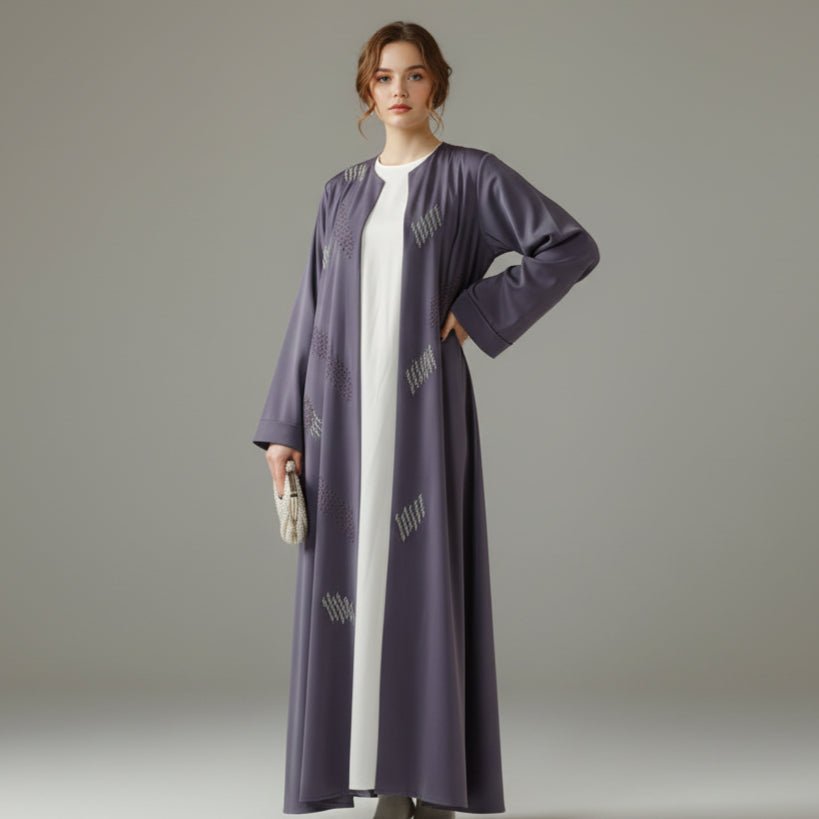
A jalabiya is a loose-fitting, ankle-length garment with long sleeves and a relaxed silhouette, traditionally worn across the Arab Gulf and Levant regions. Distinguished by its generous cut and often featuring subtle embroidery or tonal patterns, the jalabiya prioritises comfort without compromising on modest style—making it ideal for warm weather and casual social gatherings where ease of movement and breathability matter.
Understanding the Jalabiya: History and Modern Interpretation
The jalabiya has roots stretching back centuries, originating as practical everyday wear in warm climates where loose fabric and full coverage were essential. Today, it remains a cornerstone of modest fashion, worn across the Middle East, North Africa, and increasingly by Muslim women worldwide who value both tradition and contemporary comfort.
What makes the jalabiya distinctive is its philosophy: it rejects the idea that modest clothing must feel restrictive. The relaxed fit allows air to circulate, the generous sleeves provide coverage without clinging, and the straight-line silhouette flatters most body shapes without requiring tailoring. At Mariam's Collection, we see the jalabiya as a bridge between heritage and modern life—a garment that works equally well at home, at a family gathering, or running errands on a warm afternoon.
Modern interpretations have evolved to include contemporary fabrics, refined necklines, and subtle design details that appeal to women who want tradition with a current aesthetic. This evolution hasn't diluted the garment's essence; it's simply made it more accessible to those living outside traditional Gulf societies.
Fabrics and Breathability for Warm Weather
Natural Fibres for Jalabiya Comfort
The fabric choice is crucial to the jalabiya's function. In warm climates, natural fibres are essential. Cotton is the gold standard—it breathes, absorbs moisture, and becomes softer with wear. Linen blends offer similar benefits with a slightly crisper drape. Viscose (a semi-synthetic made from wood pulp) provides a silky feel whilst remaining lightweight and breathable, making it popular for more refined versions.
Avoid heavy synthetics like polyester blends in warm weather; they trap heat and moisture, defeating the purpose of the garment's relaxed design. If you live in a cooler climate and want to wear a jalabiya year-round, a cotton-linen blend or a lighter wool blend works well for transitional seasons.
Weight and Weave Considerations
The weight of the fabric affects both comfort and drape. A lighter weight (150–200 gsm cotton) creates a flowing, ethereal silhouette that moves beautifully and dries quickly if hand-washed. Medium-weight fabrics (220–280 gsm) offer more structure and are forgiving if the fit is slightly loose. Heavier fabrics can feel stiff in a jalabiya unless the cut is very generous.
Look for fabrics with a loose or open weave—they allow better air circulation. A plain weave or a subtle jacquard pattern is more breathable than a tightly woven twill.
Styling a Jalabiya for Different Occasions
Jalabiya for Everyday Wear at Home and Informally
The jalabiya shines as relaxed home wear and for informal outings. Pair it with a simple hijab in a complementary colour, slip-on shoes or embroidered babouches, and you're ready. The beauty here is that no styling is required—the garment does the work. If the neckline is high and modest, you may not need an undershirt. If it's a wide crew neck, layer with a simple long-sleeved tee underneath for extra coverage and visual interest.
For a subtle upgrade, add a lightweight belt at the natural waist to create gentle definition, or leave it loose for maximum comfort. A simple pendant or small earrings complement the understated aesthetic without competing with the garment's inherent elegance.
Jalabiya for Family Gatherings and Social Events
When worn to a family gathering, wedding celebration, or community event, a jalabiya in a richer fabric or with decorative detail (embroidery, beading, or a patterned weave) elevates the occasion without requiring a complete outfit change. Choose deeper jewel tones—emerald, sapphire, burgundy—or classic neutrals with gold or silver threading.
Layer with a lightweight outer abaya or open robe if the event calls for extra formality, or wear it standalone with a well-fitted hijab and coordinating shoes. A structured handbag and a simple bracelet or watch add polish without fussiness.
Jalabiya in Warm Climates and Travel
If you're travelling to a warm region or planning extended time in a hot climate, the jalabiya becomes invaluable. It's practical (no need for separate tops and bottoms), modest, and appropriate across social settings. Pack one or two in neutral colours and one in a pattern or deeper shade. Pair with comfortable walking shoes or sandals, a lightweight scarf for layering, and you have a complete, versatile capsule.
Sizing, Fit, and What to Expect
Jalabiyas are typically designed to be loose and relaxed, so sizing can feel counterintuitive if you're used to fitted garments. A jalabiya should skim your body without clinging; there should be enough fabric to move freely when you raise your arms. The sleeves should reach your wrists, and the hem should touch the top of your foot or ankle bone.
If you're between sizes, choose the smaller size if the fabric is stretchy or if you prefer a more defined silhouette. Choose the larger size if the fabric is rigid or if you want maximum ease and movement. Many retailers offer detailed measurements—compare your favourite-fitting abaya or kaftan to the provided dimensions rather than relying on size numbers alone, which vary widely across brands.
Length is often adjustable through hemming; many modest fashion retailers offer free or low-cost alteration services. If you're taller than average, check the inseam measurement carefully or plan for a quick hem.
Care and Longevity
A well-made jalabiya in natural fibre will last for years with proper care. Hand-wash in cool water with a gentle detergent, or use a delicate machine cycle if the fabric allows. Avoid bleach and harsh chemicals, which can weaken natural fibres and fade colours.
Dry flat or hang to air-dry; direct heat (tumble dryer, radiator) can shrink cotton and damage delicate embroidery. Iron on a low to medium heat if needed, or steam gently. Store in a cool, dry place, away from direct sunlight to prevent fading.
If your jalabiya has embroidery or beading, hand-wash only and take extra care around embellished areas. A small amount of shrinkage (2–3%) is normal with cotton; factor this in when ordering online if you prefer a precise fit.
Colour and Pattern Choices
Neutral tones—cream, soft grey, beige, black, navy—are versatile and practical for everyday wear and can be dressed up or down. Jewel tones (emerald, sapphire, plum, burgundy) are sophisticated and flattering across most skin tones. Soft pastels work well in lighter fabrics for warm weather.
Patterns can range from subtle all-over prints (small florals, geometric repeats) to bold geometric designs or traditional embroidery. A patterned jalabiya is visually striking and can be the focal point of your outfit, so keep accessories simple. A solid-coloured jalabiya offers more flexibility for layering and pairing with other pieces.
Layering Your Jalabiya
The jalabiya works beautifully as a layering base. Wear it under an open abaya or robe for formal occasions, or layer a lightweight cardigan or shrug over it for cooler days. In autumn or early spring, a structured outer layer transforms the jalabiya into a complete outfit suitable for various settings.
For a contemporary look, pair a patterned jalabiya with a neutral outer layer, or vice versa. The relaxed silhouette of the jalabiya means it won't bunch under structured outerwear.
The Jalabiya in Your Modest Wardrobe
Whether you're new to modest fashion or a seasoned wearer, the jalabiya deserves a place in your rotation. It's practical, elegant, and deeply rooted in Islamic tradition whilst remaining entirely contemporary. The relaxed silhouette offers comfort without sacrifice, and the versatility means one garment can serve multiple purposes across seasons and occasions.
The jalabiya reminds us that modest fashion isn't about limitation—it's about choice, comfort, and confidence. Invest in one or two quality pieces in fabrics that suit your climate, and you'll find yourself reaching for them far more often than you'd expect.
Frequently asked questions
What is the difference between a jalabiya and a kaftan?
A jalabiya is traditionally looser and more relaxed in fit, with a simpler construction, whilst a kaftan often has a more defined silhouette, sometimes with a belt or seaming at the waist. Both are modest and comfortable, but the jalabiya emphasises ease and flow, whereas a kaftan can be more structured.
Can I wear a jalabiya in cooler weather?
Yes. Layer it with a cardigan, shawl, or lightweight abaya, or choose a jalabiya in a heavier fabric like cotton-linen blend or lighter wool. Many women wear jalabiyas year-round by adjusting layers and fabric weight.
How should a jalabiya fit?
A jalabiya should be loose and relaxed, skimming your body without clinging. You should have room to move your arms freely, the sleeves should reach your wrists, and the hem should touch your ankle. It's not meant to be fitted or tailored close to the body.
What shoes pair well with a jalabiya?
Comfortable, modest shoes work best—flat sandals, slip-on shoes, embroidered babouches, simple flats, or casual trainers. The relaxed nature of the jalabiya pairs well with understated footwear rather than statement shoes.